true HEMA
In 2026, HEMA will celebrate its 100th anniversary. HEMA is an integral part of the daily lives of many generations of Dutch people, and believes that happiness lies in the little things. It is the little things that bring us together. As we all share the same deep love for our children, the desire to enjoy life with our loved ones, to look out for one another; the same joy in the little everyday moments.


scroll down
about HEMA
our product range
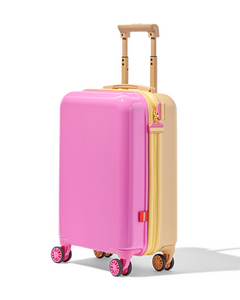
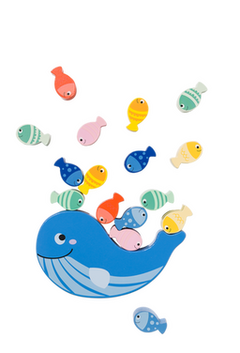
HEMA is an integral part of the daily lives of millions of customers, offering a wide range of products in the areas of home, cooking, fashion, personal care, baby and children’s products, office supplies, and food and drink. Every year, we sell tens of thousands of different products. It is this scale and diversity that make our choices regarding quality, design and sustainability so important.
our employees and locations
More than 16,000 colleagues work for HEMA every day, across more than 770 shops in the Netherlands, Belgium, Luxembourg, France, Germany and Austria. We also have purchasing offices in Hong Kong, Shanghai, Bangladesh and Istanbul. Our distribution centres in the Netherlands form the heart of our supply chain to the shops.
franchisees and partners
In addition to our own shops, the Dutch market has also been served by franchisees since 1958. Since 1977, around half of HEMA’s shops in the Netherlands have been ‘Affiliated Businesses’ (AB), as we call our franchise shops. Many of today’s family-run businesses began their partnership with HEMA back in the 1960s; today, it is often the third or fourth generation at the helm.
own design
Since we design our products ourselves, we have a say in how they are made, what they are made from, and under what conditions. Our designers create products that are more practical, more attractive and better. We make a conscious choice to prioritise quality and reusable alternatives, and are increasingly moving away from a throwaway culture. We are on hand day and night to meet all our customers’ needs, every day, in every season, all year round. For everyone.

2.237
billion
euros in gross sales
6
million fans
with a loyalty card
in the Netherlands and Belgium
16,233
employees
working at HEMA
on average in 2025
of whom 6,306 work
for franchisees

employees working at HEMA
on average in 2025
winkels
HEMA-kantoor
distributiecentra
ondersteunende kantoren in België, Frankrijk, Duitsland
inkoopkantoren in Hong Kong, Shanghai, Bangladesh en Turkije
8.570
707
536
59
76
medewerkers werkzaam bij HEMA
aantal medewerkers per land
Nederland
werkzaam bij franchise
België
Frankrijk
Duitsland
Luxemburg
China en Hong Kong
Bangladesh
Turkije
Oostenrijk
8.089
6.306
845
602
219
36
47
21
5
63
ESRS 2 SBM-1
our value chain: from design to customer
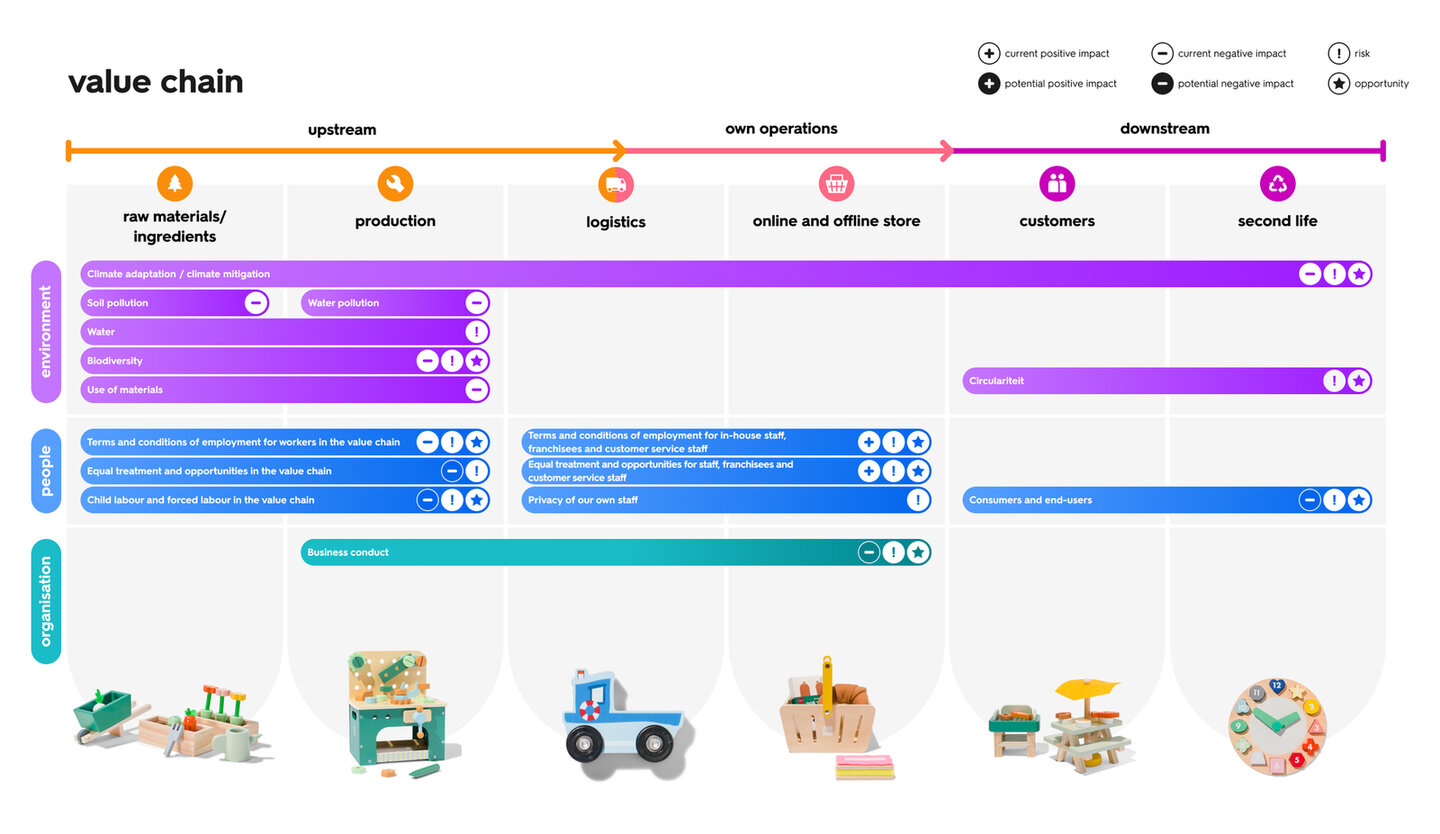
What really defines HEMA are our own-brand products: distinctive, practical, simple, playful and built to last. After all, products that last longer are the most sustainable. HEMA designs, sells and distributes products through its own shops, franchise shops, online shops and its partner Jumbo. Our value chain tracks every product from design to the customer and beyond, ensuring that we pay attention to key areas of impact, such as the environment and human rights, at every stage. We do this not only with a view to the risks involved, but also with consideration for the opportunities we create. The visualisation shows what our value chain looks like and the role HEMA plays within it.
upstream: suppliers and raw materials
Our upstream value chain encompasses the procurement of materials and ingredients, our suppliers’ production sites and the logistics up to our distribution centres. As our suppliers operate worldwide, this can give rise to risks relating to human rights and the environment. That is why we monitor working conditions, improve labour standards and are committed to the reduction of CO2 emissions, nature conservation, biodiversity and the circular economy.
All logistics up to our distribution centres in the Netherlands are managed externally and therefore form part of our upstream value chain.
own operations: shops, distribution and offices
At the heart of our value chain are our own operations: shops, online shops, distribution centres and (purchasing) offices. Our employees and customers are at the heart of what we do, and we strive to create an accessible and enjoyable shopping experience for everyone.
downstream: customers and usage
Downstream, our customers use our products and services. We ensure that products last longer, are affordable and accessible to everyone. By combining quality with affordable prices, we make our products appealing to a wide audience. We also encourage customers to reuse, pass on or give a new lease of life to products.





sustainability at HEMA
At HEMA, we create products that are more practical, more attractive and of higher quality. With a focus on people and the environment. We believe that good quality is the key to a better life in a more beautiful world. As good quality lasts longer, which is good for the planet and your wallet.
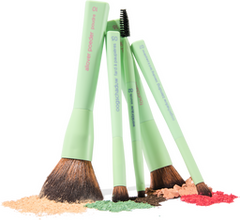
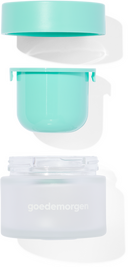
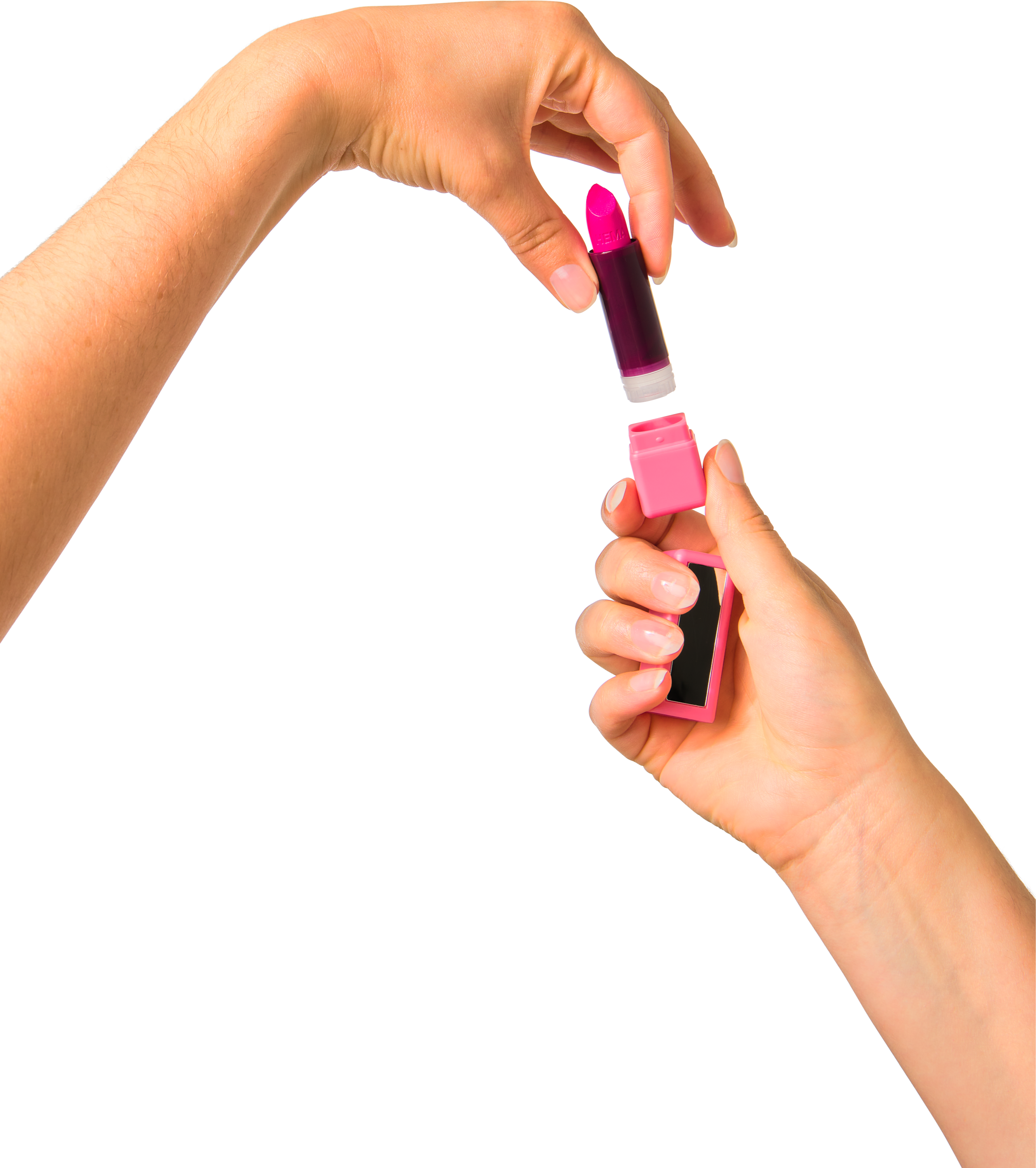
Right from the product development stage, our designers are already thinking about how to make our products last longer. After all, the most sustainable approach is to ensure that our customers can enjoy products for as long as possible. Take our baby romper with a double row of buttons, for example: it grows with your baby through two sizes and is made from organic cotton. Or our lipstick: vegan, microplastic-free and refillable.
We design smarter so that products can be used frequently. Right from the design phase, our designers are already looking at smart designs. We also take great care in selecting our materials. We prefer renewable materials and we have minimum requirements in the form of quality marks for different materials we use for textiles as well as hard goods.
We design products that last longer at doing what they were made for. This is why we test our products for quality in our own in-house laboratory. We also encourage our customers to look after their products properly so that they last longer. Products are given a new lease of life when a customer reuses, passes on or repairs them.
We use materials more often. We are using more and more recycled materials and exploring what can get in the way of recycling. This is how we move towards more recyclable products.
We work with suppliers around the world to improve working conditions, through training programmes in factories and our roadmap towards a living wage. And we are aiming to halve our CO₂ emissions by 2030. That is why we are increasingly opting for reusable and certified materials.
Even in times of economic uncertainty and global climate change, we remain committed to our mission and continue to build a resilient, customer-focused and responsible organisation.
So at HEMA, you can feel confident choosing items that are more attractive, more practical and better for you and for the world. That is true HEMA.
in 2025
our total climate footprint has fallen by
17.3%
compared with 2019
in 2025
75.6%
of our suppliers with production sites in high-risk countries are long-term partners who have been supplying HEMA for more than five years.
No fewer than
48.7%
of these suppliers have been working with us for over ten years.
in 2025
65%
of the cotton used in our fashion items is organic.
objectives achieved
2 out of 3
We have linked our objectives to our loans. We are proud to have achieved two out of three objectives, which has earned us a reduction in our interest rate.
improving wages in the supply chain
We support the ACT programme – a pioneering international initiative in Cambodia aimed at improving wages throughout the supply chain.
ESRS 2 SBM-3, IRO-1 & IRO-2
CSRD
We want to organise ourselves in a way that is fit for the future. Since 2023, we have therefore been taking targeted steps to comply with the Corporate Sustainability Reporting Directive (CSRD). Not only to meet reporting requirements, but above all to embed sustainability systematically in our decision-making process.
2023
we have launched a double materiality analysis (DMA) to identify the key issues.
2024
we have structured our report on the basis of these findings.
2025
we are laying the foundations for structural management by establishing KPIs, defining terms and organising internal ownership.
2026
we will publish our first CSRD-light report for 2025, as an important intermediate step towards full compliance.
2027
We expect to report in accordance with the CSRD for the 2026 reporting year.
2028
We publish an integrated report in which financial and non-financial performance fully converge.
double materiality analysis
How do we bring focus to our strategy? We have selected our material topics using a two-stage materiality analysis. In this context, ‘material’ means: most relevant, or most important to HEMA. This means that we identify both the key sustainability issues on which HEMA has an impact (inside-out) and the issues that influence our business operations (outside-in).
This has given us an understanding of which issues are important to HEMA and to our value chain, enabling us to take targeted action. We have identified nine material topics.
annual update
Our most recent analysis was carried out in 2023. Every three years, we ask our stakeholders which issues are relevant to HEMA so that we can focus our efforts accordingly, based on a comprehensive analysis. In 2026, we will carry out a new double materiality analysis. We also review annually whether there are any new material issues or whether existing issues have ceased to be relevant. Based on this year’s analysis, we conclude that these issues remain relevant. So we haven’t made any changes over the past year.
process of our double materiality analysis
step 1
understanding the value chain
We began by gaining a comprehensive understanding of our value chain and stakeholders by analysing the lifecycle of our products: from design to reuse. Based on ESRS 2 and the EFRAG guidelines, we determined HEMA’s interpretation of impact and financial materiality, including the materiality thresholds. Once these frameworks had been defined, we drew up an overview of the potentially material impacts, risks and opportunities within our value chain.
step 2
involve stakeholders
To get valuable input on our material topics, HEMA identified the key stakeholder groups we want to involve in the analysis. Important because the outcomes guide our strategy and reporting.
We gathered input from about 130 people through a survey of various internal and external stakeholders. They assessed all topics from the European Sustainability Reporting Standards (ESRS), and indicated what importance they believe those topics have for HEMA. Our stakeholders are described later in this report.
step 3
in-depth interviews and analysis
The next step was to conduct in-depth interviews and analysis of the information. Our ESG manager held 15 interviews with a selected group of stakeholders. Here, the focus was on identifying why certain topics scored high and others low. This is how we got to the heart of the matter: what does HEMA have an impact on? By analysing the information provided, with stakeholders also commenting on opportunities and risks, we have identified the opportunities and risks for HEMA.
Topics are doubly material to us if they have a HEMA-induced impact on people or the environment, and if the topic represents a significant risk and/or opportunity for our own business operations.
step 4
internal validation
Every step of the process was reported to the management team, with our CEO and CFO very much involved. In addition, the process and the findings have been submitted to our Audit Committee, which includes members of the Supervisory Board. No new insights or feedback came out of this, so the results remained the same.
step 5
annual update
We carry out an annual review to check whether there are any pressing issues we need to add and/or whether any topics have become less relevant to HEMA.
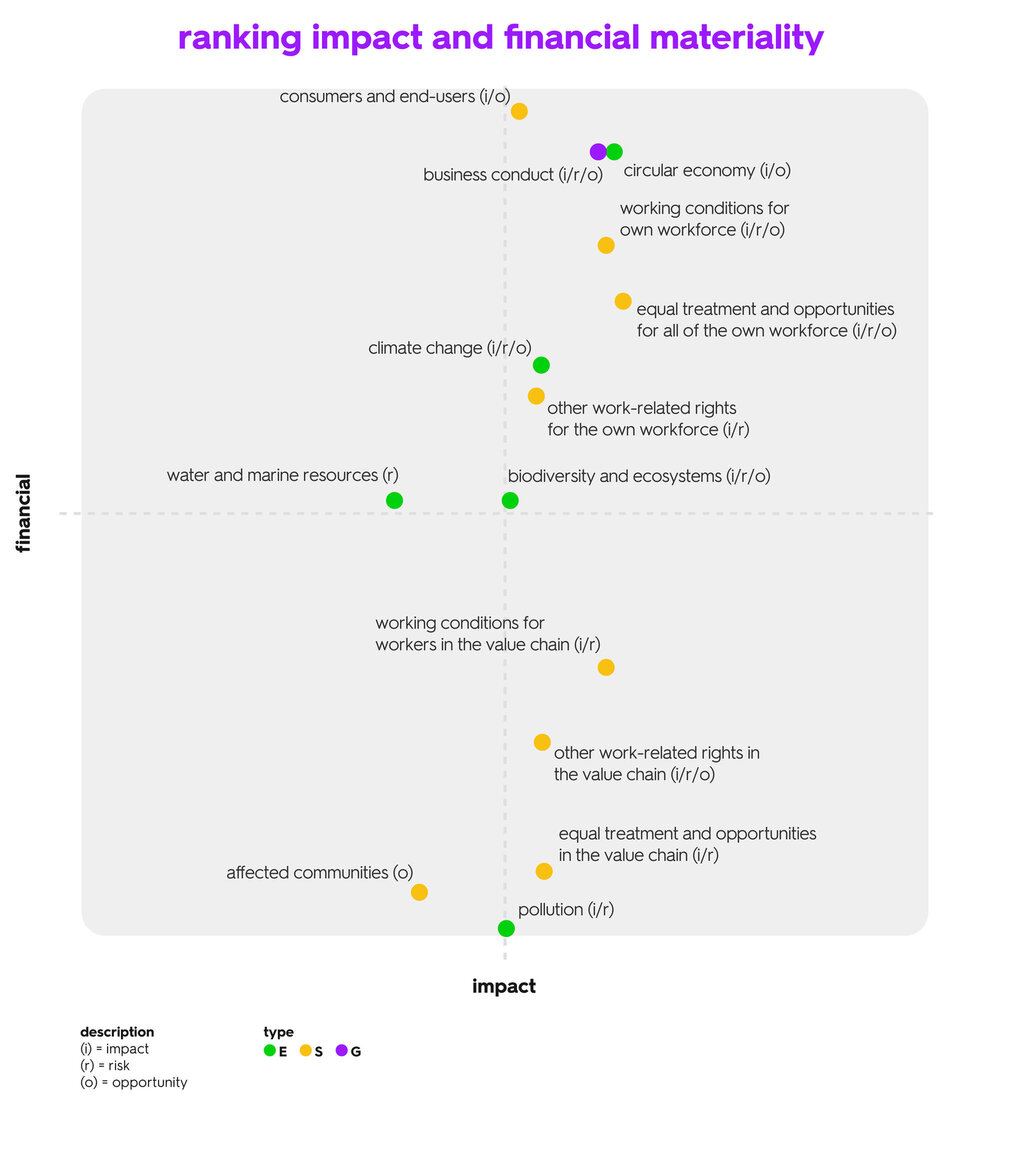
matrix showing the results of the double materiality analysis
This matrix sets out the results of our dual materiality analysis. The vertical axis shows financial materiality: the higher a topic is on the axis, the greater the financial risk or opportunity for HEMA. The horizontal axis shows the impact of materiality: the further to the right a topic is, the greater its impact on society or the environment.
The lines in the matrix indicate the threshold value. Items that lie above the threshold on the vertical axis or to the right of the threshold on the horizontal axis are tangible. This means that they are financially significant, have a significant social or environmental impact, or both (dual material). Items located below or to the left of the threshold are not considered material.
view our material topics

connectivity matrix
| ESRS | material issue | sub-topic | impacts, risks and opportunities | type | location in the value chain | time horizon | SDGs |
|---|---|---|---|---|---|---|---|
| E1 | climate change | climate mitigation (DM)
| Greenhouse gas emissions from HEMA’s own operations (scope 1 & 2) and from the wider value chain (scope 3) contribute to climate change. | impact (-) | own operations & upstream | short, medium, long | 7, 12, 13 |
| Climate change can lead to physical risks such as extreme weather conditions and rising sea levels. These can cause damage to a company’s own assets, disrupt distribution and supply chains, and ultimately lead to cost increases due to reduced availability of raw materials and transport capacity. | risk (physical) | upstream | short, medium, long | ||||
| Changing sustainability legislation and societal expectations are increasing the risk of rising prices for products and energy. Furthermore, if sustainability efforts are insufficient, there is an increased risk of fines, non-compliance and reputational damage. | risk (transition) | own operations & upstream | short, medium, long | ||||
| By investing in energy efficiency and sustainable business practices, HEMA can not only cut costs but also strengthen its brand positioning as an accessible and responsible retailer, thereby increasing customer loyalty and market share. | opportunity | own operations | short, medium | ||||
| E2 | pollution | water pollution (IM)
| Use of harmful chemicals in the manufacturing process of textile products can lead to the contamination of water sources in the countries where they are produced, which entails both environmental damage and reputational risks for HEMA. | impact (-) | upstream | short, medium, long | 12 |
| Use of artificial fertilisers and pesticides in the production of agricultural raw materials and ingredients can damage soil quality, which in the long term reduces agricultural productivity and puts pressure on the availability of sustainable ingredients for HEMA. | impact (-) | upstream | short, medium, long | ||||
| E3 | water | water abstraction (FM)
| Water shortages in the supply chain can lead to production disruptions, price increases and lost revenue, as well as reputational risks when sourcing from water-scarce regions and rising compliance costs due to stricter regulations on water use. | risk | upstream | short, medium, long | 6 |
| E4 | biodiversity | direct pressure factors biodiversity loss (IM)
| The production of raw materials such as cotton, meat, cocoa, timber, paper and palm oil for HEMA products can lead to deforestation, land degradation and the loss of natural habitats. These processes pose a direct threat to biodiversity, as the habitats of plant and animal species are disappearing and ecosystems are becoming unbalanced. | impact (-) (potential) | upstream | short, medium, long | 14, 15 |
| Declining biodiversity and less stable ecosystem services could lead to a reduction in the availability of essential raw materials and ingredients on which HEMA relies. Furthermore, a lack of effort in this area also entails reputational risks and can lead to increasing pressure from consumers, NGOs and legislation to operate in a more transparent and sustainable manner. | risk | upstream | short, medium, long | ||||
| E5 | circular economy | material inflows, including material use (DM)
| Use of non-renewable raw materials leads to the depletion of the earth’s resources. | impact (-) | upstream | short, medium, long | 8, 12 |
| Governments may introduce increasingly stringent regulations to promote the transition to a circular economy, which could result in higher compliance costs and fines. | risk | upstream, own operations, downstream | short | ||||
| Failure to keep pace with standards regarding responsible and circular business practices can lead to reputational damage and a decline in turnover. | risk | downstream | medium | ||||
| Both circular products and services (such as repairs, product hire and second-hand sales) can create new sources of revenue, lead to a larger customer base and increase customer loyalty. | opportunity | own operations | medium, long | ||||
| S1 | our employees | working conditions (DM)
| Providing good employment conditions and an inclusive working environment for its employees, which contributes to high employee satisfaction. | impact (+) | own operations | short, medium | 3, 5, 8, 10 |
| Safety incidents and labour disputes can lead to increased absenteeism and employee turnover, legal consequences and damage to reputation. | risk | own operations | short, medium | ||||
| A focus on DEI, development opportunities and a healthy work-life balance can lead to improved talent retention and employee productivity. | opportunity | own operations | short, medium | ||||
| S2 | workers in the production chain | working conditions (IM) | Potential negative impacts on workers in the supply chain, for example if they do not receive a living wage, are subject to excessive working hours or are denied the right to organise. This could lead to operational and reputational risks. At the same time, improving working conditions offers opportunities for long-term supplier relationships, higher product quality and a stronger social standing. | impact (-), risk, opportunity | upstream | short, medium, long | 1, 8, 12, 17 |
| equal treatment and equal opportunities for all (IM) | Potential negative impact on women in the supply chain when they face gender discrimination, such as unequal pay, limited career progression or a lack of protection against harassment. This could lead to financial and reputational risks. At the same time, promoting gender equality offers opportunities to empower women, improve the working culture and contribute to an inclusive and sustainable supply chain. | impact (-), risk, opportunity | upstream | short, medium, long | |||
| other labour rights: child labour and forced labour (IM) | Potential negative impact where child labour or forced labour occurs in the supply chain, which constitutes serious human rights violations. This entails legal, operational and reputational risks. Through proactive policies and collaboration with suppliers, HEMA can help prevent exploitation and promote fair and safe working conditions. | impact (-), risk, opportunity | upstream | short, medium, long | |||
| S4 | consumers and end-users | impact on information (DM)
| Inadequate protection of customer data can lead to data breaches, resulting in potential breaches of privacy legislation (such as the GDPR), reputational damage and financial liability. | potential negative impact, risk | own operations, downstream | short | 3, 12 |
| Unsafe products and unsafe conditions in physical shops can lead to injury or discomfort for consumers, with potential reputational and liability risks for the business. | potential negative impact, risk | own operations, downstream | short, medium, long | ||||
| An inclusive shopping experience improves accessibility for a diverse range of customers, which can lead to higher customer satisfaction, more visits to the shop and, ultimately, an increase in turnover. | opportunity | own operations, downstream | short, medium, long | ||||
| G1 | business conduct | corporate culture (DM)
relationship with politics and lobbying activities (DM)
| Unethical situations or behaviour can have negative consequences for stakeholders and pose reputational risks. | Risk | Upstream, own operations, downstream | Short, medium, long | 8, 16, 17 |
| A positive, widely embraced corporate culture and strong supplier relationships can help ensure a company is future-proof and achieve its business objectives. | Opportunity | Upstream, own operations | Short, medium, long | ||||
| As a purchaser of products and raw materials, we have an impact on people, animals and the environment. | Impact (-/+) | Upstream, own operations, downstream | Short, medium, long |

| ESRS | materieel onderwerp |
|---|---|
| E1 | klimaatverandering |
| E2 | verontreiniging |
| E3 | water |
| E4 | biodiversiteit |
| E5 | circulaire economie |
| S1 | eigen personeel |
| S2 | werknemers in de productie keten |
| S4 | consumenten en eindgebruikers |
| G1 | zakelijk gedrag |
sub-onderwerp | materieel onderwerp | sub-onderwerp | definities | locatie in de waardeketen | tijdshorizon | SDG’s |
|---|---|---|---|---|---|---|
klimaatmitigatie (DM) | Klimaatverandering bestaat uit drie hoofdthema's. 1) Klimaatmitigatie: HEMA's proces om de uitstoot van broeikasgassen te verminderen (zoals vastgelegd in het Klimaatakkoord van Parijs). 2) Klimaatadaptatie: HEMA's proces om zich aan te passen aan de werkelijke en verwachte gevolgen, risico's en kansen van klimaatverandering. 3) Energie: HEMA's uitstoot en energieverbruik in de eigen bedrijfsvoering en in de waardeketen. | klanttevredenheidsonderzoeken, sociale media, klantenservice, klantenpanel, informatie op onze websites en in de winkels, advertenties, pers | strategie HEMA | winkel on- en offline tweede leven | ||
| klimaatadaptatie (DM) | teamvergaderingen, bedrijfsbijeenkomsten, updates via het intranet, strategiedagen | strategie HEMA | winkel on- en offline logistiek | |||
| energie (DM) | contractvoorwaarden, evaluaties en feedbacksessies, samenwerkingsinitiatieven, strategiedagen, leveranciersnieuwsbrief | thematisch partnerschap | productie | |||
| vakbonden | overleggen over cao en feedback verzamelen | overleggen, ondernemersraad | strategie HEMA | winkel on- en offline logistiek | ||
| ondernemers | HEMA’s strategie en voortgang bespreken | contractvoorwaarden, ondernemersraad vergadering met directie, strategiedagen, updates via het intranet, nieuwsbrief | strategie HEMA | winkel on- en offline | ||
| aandeelhouders | informatie geven en strategie bepalen | jaarverslag en financiële updates, vergaderingen met de RvC | strategie HEMA | overkoepelend | ||
| kredietinstellingen | strategie en duurzaamheid toelichten en feedback verzamelen | jaarverslag en financiële updates, duurzaamheidsverslag | strategie HEMA | overkoepelend | ||
| overheden en regelgevers | strategie en duurzaamheid toelichten en feedback verzamelen | jaarlijks duurzaamheidsverslag, werkbezoeken vanuit ministeries of lokale overheden i.s.m. brancheverenigingen | stakeholdermanagement in dagelijkse bedrijfsactiviteiten | overkoepelend | ||
| lokale gemeenschappen, kwetsbare groepen en NGO’s | strategie en duurzaamheid toelichten en feedback verzamelen | samenwerkingsinitiatieven, deelname/lidmaatschap aan allianties (zie samenwerkingen) | thematisch partnerschap | overkoepelend | ||
| kennisinstellingen | strategie en duurzaamheid toelichten en feedback verzamelen | samenwerkingsinitiatieven, deelname/lidmaatschap aan allianties (zie samenwerkingen) | thematisch partnerschap | overkoepelend | ||
| brancheorganisaties | strategie en duurzaamheid toelichten en feedback verzamelen | samenwerkingsinitiatieven, deelname/lidmaatschap aan allianties (zie samenwerkingen) | thematisch partnerschap | overkoepelend |
(IM = impact material, FM = financial material, DM = dual-use material)
ESRS 2 SBM-2
stakeholders and interested parties
Working together with our affected and interested parties (also known as 'stakeholders') is essential to bring our mission to life. We are constantly working with suppliers, partners and community organisations to make improvements. By engaging in open conversation, we stay up to date on opportunities and challenges.
We work with our stakeholders on three levels:
- strategic
- thematic partnership
- day-to-day business operations
Our collaboration with stakeholders is based on four core principles:
- Transparency: open and honest communication with all stakeholders.
- Discussion partner: listening to stakeholders’ concerns and suggestions and taking these into account in decision-making processes.
- Responsibility and ethical leadership: taking into account the impact of our decisions and activities on all stakeholders.
- We put our words into action: promoting more sustainable practices that contribute to long-term value for both HEMA and our stakeholders.
read more about our dialogue
zo doen we dat
bekijk hier ons overzicht betrokkenen en belanghebbenden
| stakeholder group | objective | communication | interaction | place in the value chain |
|---|---|---|---|---|
| suppliers | sharing information and stimulating continuous improvement | contract terms, reviews and feedback sessions, collaboration initiatives, strategy days, supplier newsletter | thematic partnership | production |
| employees | Discuss HEMA's strategy and progress and let colleagues provide feedback | team meetings, company meetings, updates via the intranet, strategy days | HEMA strategy | online and offline store logistics |
| unions | consultation on collective agreement and gather feedback | consultations, works council | HEMA strategy | online and offline store logistics |
| landlords | sharing information and stimulating continuous improvement | consultations on the premises and shops | stakeholder management in day-to-day business activities | online and offline store logistics |
| entrepreneurs | Discussing HEMA's strategy and progress | contract terms, works council meeting with management, strategy days, updates via the intranet, newsletter | HEMA strategy | online and offline store |
| customers | consult, explain strategy and products, gather feedback, and test concepts | customer satisfaction surveys, social media, product reviews, customer service, customer panel, information on our websites and in shops, advertising, press | HEMA strategy | online and offline store: a second life |
| shareholders | provide and evaluate information and determine strategy | annual report and financial updates, meetings with the SB | HEMA strategy | overarching |
| credit institutions | explain strategy and sustainability and gather feedback | annual report and financial updates, sustainability report, strategy days, stakeholder event | HEMA strategy | overarching |
| governments and regulators | explain strategy and sustainability and gather feedback | annual sustainability report, working visits from ministries or local authorities, stakeholder event | stakeholder management in day-to-day business activities | overarching |
| local communities, vulnerable groups and NGOs | explain strategy and sustainability and gather feedback | collaborative initiatives, participation in/membership of alliances (see collaborations), strategy days, stakeholder events | thematic partnership | overarching |
| knowledge institutions | explain strategy and sustainability and gather feedback | collaborative initiatives, participation in/membership of alliances (see collaborations), strategy days, stakeholder events | thematic partnership | overarching |
| industry organisations | explain strategy and sustainability and gather feedback, interest representation | collaborative initiatives, participation in/membership of alliances (see collaborations), strategy days, stakeholder events, consultations | thematic partnership | overarching |
collaborations
To bring our partnerships to life, we work with a range of partners: from memberships and projects to (international) agreements and conventions. We believe in the power of working together, sharing knowledge and learning from one another.
memberships
- amfori (BSCI Standard, BEPI Platform, complaints mechanism)
- CRIB (Children’s Rights and Business)
- Textile Exchange
- Modint
- Inretail
- SBTi
- Open Supply Hub
- Thuiswinkel.org
- EVOFENEDEX
partnerships/projects
- ROOT for our CO2 measurements
- Spirefly for our nature impact assessment
- Enact for due diligence support
- Awaj Foundation for Trade Union Freedom
- IDH Living Wage Steering Group
- ACT Living Wage – Cambodia
signed agreements
- International Accord
- Transparency Pledge
- Charter on Diversity in the Workplace
- Plastic Pact
- Equal Opportunities Statement
international conventions
- ILO conventions
- OECD guidelines
- UN Guiding Principles on Business and Human Rights
- the Universal Declaration of Human Rights
- Convention on the Elimination of All Forms of Discrimination against Women (CEDAW)
charities
Through financial contributions and product donations, HEMA supports a range of charities. In 2025, this resulted in a total of €522,814 in financial contributions and €199,287 in product donations. Through the HEMA loyalty card scheme, customers can donate their saved points to charities.
For example, Pink Ribbon Netherlands, Team Alzheimer, the Baby Spullen Foundation, the Jarige Job Foundation and the Poverty Fund received financial contributions and product donations through the loyalty programme in the Netherlands. Pink Ribbon Belgium and Bednet received donations in Belgium. War Child, Kinderziekenhuizen van Oranje, COC and Serious Request also received a financial donation, derived from a portion of the sale price of specially developed products or campaigns, such as the War Child pyjamas.
Other organisations, such as the Wilhelmina Children’s Hospital, Because We Carry, the Salvation Army, the Linda Foundation, Mohuka, Pride, the Ukraine Foundation, the Food Bank and Too Good to Go, received support in the form of product donations.
transparent and reciprocal
stakeholder communication at HEMA
transparent and reciprocal
stakeholder communication at HEMA
Stakeholders provide us with that valuable, objective outside perspective; insights, expertise and experiences that we do not possess. This applies to a wide range of topics, but certainly also to sustainability. To make real progress, we need each other.
Equally, the conversation is a two-way process. We also openly share the challenges we face, the dilemmas we encounter and the decisions we have to make. It is precisely through that transparency that understanding and scope for joint progress are fostered.
how does that work in practice?
Nina Moers, Senior Public Affairs Advisor, talks about stakeholder management at HEMA: "Stakeholder management takes various forms. A significant part of this involves personal contact: discussions, working sessions and meetings during which we actively gather and provide feedback."
We work closely with government bodies to build a network, particularly with ministries responsible for implementing legislation and regulations. Legislation often has clear social objectives, but applying it in a retailer’s day-to-day operations requires specific knowledge of business management and supply chain processes. By engaging in conversation, we can help shape regulations that are both effective and workable.
We also work in partnership with community organisations and charities. On the one hand, they act as a partner in achieving social impact; on the other, they serve as a sounding board for sensitive or complex issues. By discussing dilemmas openly with organisations that deal with specific issues on a daily basis, we can make more careful and better-informed decisions.
transparent communication
By 2025, we will have taken a significant step forward in the way we communicate about sustainability. Nina explains: "Historically speaking, we’ve always been cautious: no grandstanding, just getting on with the job. That modesty is valuable, but the risk is that we don’t share enough about what we *do* do."
That is why we have developed a clear communication calendar, which provides a structured overview of our sustainability goals, the progress we are making, the successes we are celebrating and the challenges we are facing. Read here, for example, how Marieke de Haan-Doolaard, Director of Sustainability, explains how sustainability is embedded in everything we do in an article by ABN AMRO.
“We want to create beautiful products that our customers can enjoy for as long as possible. That’s the crux of it; that’s where our responsibility lies.”
Marieke de Haan-Doolaard
Head of Sustainability at HEMA
annual strategy days
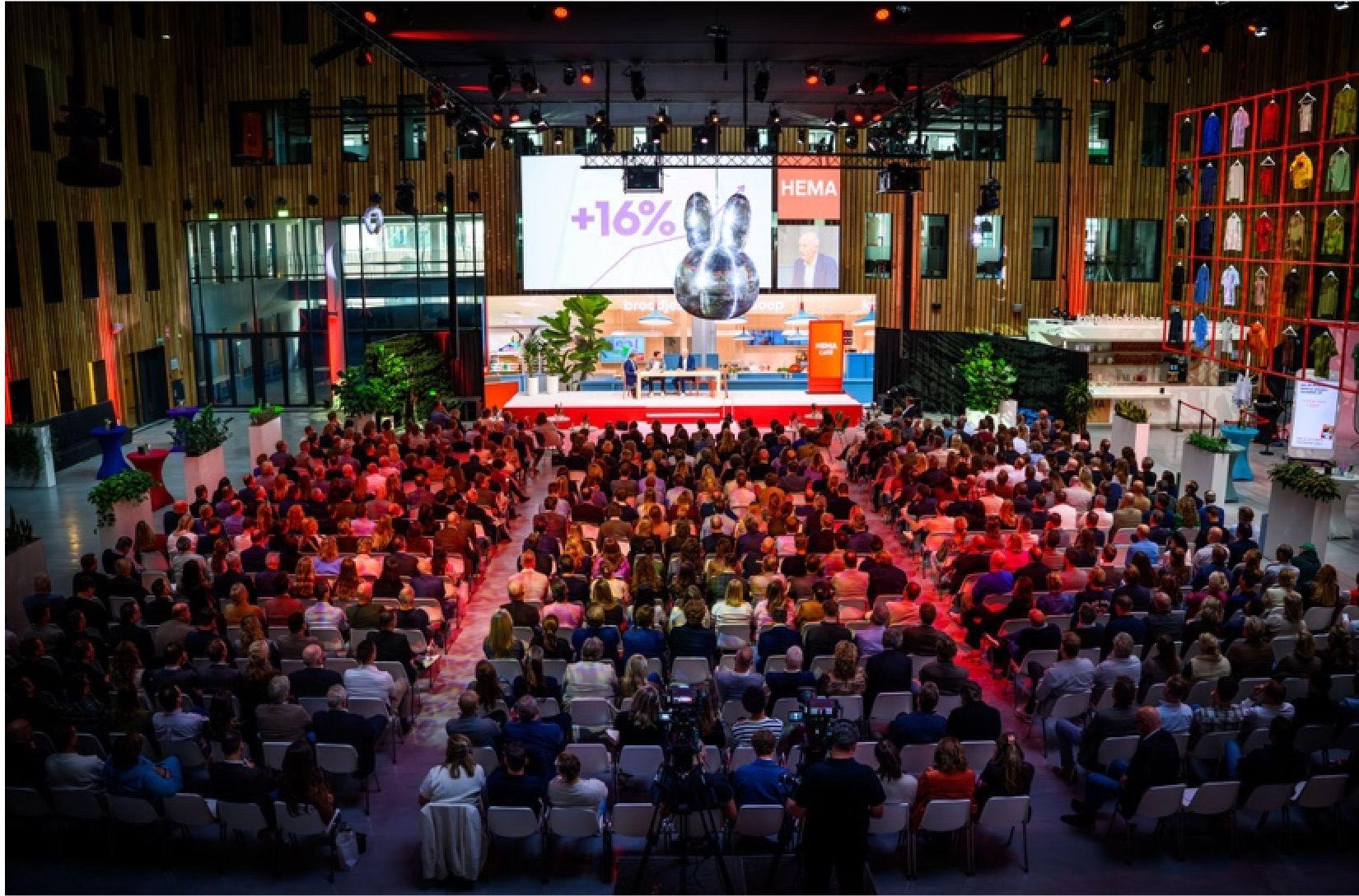
A highlight of 2025 was the expansion of our annual strategy days to include a wider group of stakeholders. Whereas these meetings used to be aimed at employees and suppliers, we now also invited community organisations, NGOs, financial institutions and external experts.
During these meetings, we outline our strategic direction, encourage feedback, and gather specific input to further refine our plans. Stakeholders said they found it particularly noteworthy that they were actively involved in our strategy, rather than just focusing on the specific area in which they are normally involved.
"Over the coming years, we want to communicate our sustainability story even more clearly and consistently, whilst continuing to invest in two-way communication with our stakeholders," says Nina. "Gathering input is important, but it is just as important to provide feedback, so that everyone can see what we do with their feedback and we can make a real difference together."