people
We believe that everyone is equal, however different they may be. This applies to our colleagues in shops, distribution centres and offices, as well as to those working in our supply chain and at our partner organisations. Every day, we strive to value diversity, look out for one another and provide a safe, inclusive working environment. This is how we ensure that everyone feels welcome, and together we work to improve the everyday lives of our colleagues, partners and customers.



scroll down
our employees
playing to win
We continue to build on the foundation we have laid. Over the past year, we have refurbished and modernised even more shops and worked on improving our product range: making it more practical, more attractive and of higher quality. So that absolutely everyone shops at HEMA often and with pleasure.
This growth doesn’t happen by itself. The world around us is changing rapidly, and if we are to continue to make a real difference, we must keep working in a fundamentally different way. HEMA has a lot of potential that we are currently not fully exploiting. This calls for a new mindset, a winning mindset: we ‘play to win’.
By 2025, we’ve raised the bar even higher. On the content of our work and also on each other. Challenging each other to take responsibility, seize opportunities and striving to get the best out of ourselves and each other. In a safe working environment where we enjoy our work.
Through four themes – be yourself, dare to take the plunge, keep it simple and grow with us – we put into practice what we believe is important. Everything we do is in line with this, so that employees want to work for HEMA and continue to do so.
- Be yourself: open up. Be vulnerable and honest with yourself and each other. Listen and give honest feedback and ask for help when needed.
- Have the courage to act: take responsibility and risks, push boundaries and seize opportunities.
- Keep it simple: think big and start small. Experiment and learn from mistakes. Always think how it can be easier.
- Grow with us: Hold each other accountable and be open to feedback. Leverage our talents.
our own employees in figures 2025
number of employees by gender
(headcount as at 31 January 2026)
| total | women | men | other | |
|---|---|---|---|---|
number of employees | 9.948 | 8.081 | 1.865 | 2 |
number of permanent employees | 5.734 | 4.778 | 956 | 0 |
number of temporary employees | 4.214 | 3.303 | 909 | 2 |
number of employees with contracts without a guaranteed number of hours | 0 | 0 | 0 | 0 |
number of full-time employees | 1.380 | 757 | 623 | 0 |
number of part-time employees | 8.568 | 7.324 | 1.242 | 2 |
number of employees by region
(headcount as at 31 January 2026)
| Netherlands | Belgium | Luxembourg | Austria | France | Germany | purchasing offices |
|---|---|---|---|---|---|---|
| number of employees | ||||||
| 8.118 | 849 | 35 | 59 | 586 | 225 | 76 |
| number of permanent employees | ||||||
| 4.162 | 724 | 27 | 59 | 577 | 109 | 76 |
| number of temporary employees | ||||||
| 3.956 | 125 | 8 | 0 | 9 | 116 | 0 |
| number of employees with contracts without a guaranteed number of hours | ||||||
| 0 | 0 | 0 | 0 | 0 | 0 | 0 |
| number of full-time employees | ||||||
| 637 | 182 | 10 | 6 | 469 | 3 | 73 |
| number of part-time employees | ||||||
| 7.481 | 667 | 25 | 53 | 117 | 222 | 3 |

number of employees by age
(headcount as at 31 January 2026)
| total | % women | % men | % other | |
|---|---|---|---|---|
<30 years | 5.084 | 83,04% | 16,92% | 0,04% |
30-50 years | 2.562 | 76,89% | 23,11% | 0% |
>50 years | 2.302 | 82,06% | 17,94% | 0% |
training sessions
the training sessions to shop employees in the Netherlands
Online | number of training hours |
Online training | 3.800 |
Offline | number of training hours |
Offline training for offices: | 11.900 |
Offline training for DC: | 4.000 |
Offline training for shops | 2.961 |
living wage
HEMA believes it is important to pay its own employees a fair and decent wage. For us, the minimum requirement is paying a living wage. In the countries where HEMA has shops, the statutory minimum wage is higher than the living wage. This does not always apply to the countries where our purchasing offices are located. Here, we check annually whether wages are still above the living wage benchmark. This was indeed the case by 2025; all HEMA employees now receive a living wage.
S2-6
accidents at work
HEMA places great importance on the safety of its employees and at its business premises. In the 2025 financial year, there were no fatal accidents involving our employees, nor were any deaths reported as a result of occupational illnesses. Furthermore, there have been no fatal accidents involving external personnel at HEMA’s business premises.
gender pay gap
In 2025, the unadjusted pay gap between men and women at HEMA stood at 20.7%, with men earning more. Part of the explanation for this pay gap lies in our company’s workforce: HEMA employs a significant number of female employees in its shops, where pay levels are lower than, for example, those of employees in office roles, where the gender balance is more even. As a result, the average pay for male employees at our company is higher than that of their female counterparts, resulting in an overall pay gap in favour of men.
Below, we break down the pay gap further into an explained and an unexplained pay gap.
- The stated pay gap encompasses differences in pay that can be attributed to objective factors, such as job role, education, work experience, responsibilities and location.
- The unexplained pay gap represents the part of the pay gap that cannot be explained by these factors.
HEMA’s aim is to ensure equal pay for equal work (or work of equal value) for women and men. In light of the limitations of the overall pay gap described above, we have compared the average salaries by job category and by country for women and men. The global pay gap between men and women stood at 1.9%, with men earning more.
we're proud of our team!
friendliest staff
HEMA Netherlands has won the award for having the friendliest shop staff at Brands in Retail 2025. Customers enjoy shopping with us and feel welcome.
Great Place To Work
HEMA Belgium and France have once again been recognised as a Great Place to Work. The fact that we have received this certificate once again demonstrates that our employees feel valued, engaged and supported, which is exactly what we strive for every day.
Gold Trophy: Best Customer Satisfaction Award
HEMA France has won the Gold Trophy: Best Customer Satisfaction Award with a score of 4.88 out of 5 based on 13,142 Google reviews. This is down to the enthusiastic shop team and their constant dedication to customers.
KPIs and objectives
S1
own employees
IRO


topic
Working conditions for our own employees and an inclusive working environment
Safety incidents and labour disputes, increased absenteeism and employee turnover, legal consequences and reputational damage.
Improved talent retention and employee productivity.
Working conditions of employees at HEMA franchisees and the customer service department
description
HEMA provides good employment conditions and an inclusive working environment for its employees, which contributes to high employee satisfaction.
Safety incidents and labour disputes can lead to increased absenteeism and employee turnover, legal consequences and damage to reputation.
A focus on DEI, development opportunities and a healthy work-life balance can lead to improved talent retention and employee productivity.
If the employees of HEMA franchisees and the customer service team are subjected to poor working conditions, discrimination or harassment, this can also have negative consequences for HEMA. (S2)
waardeketen


tijdshorizon
current positive impact

current negative impact
risk

potential positive impact

potential negative impact
opportunity

raw materials/ingredients

production
logistics
online and offline store

customers

second life
short
(< 1 year)
medium
(1-5 year)
long
(> 5 year)
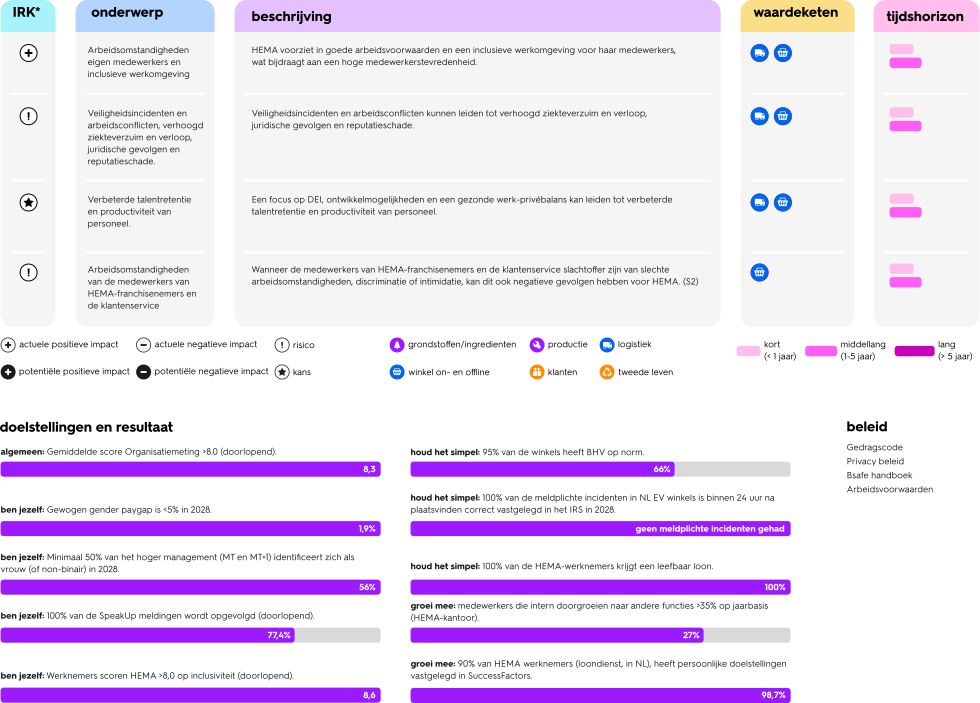
objectives and results
General: Average score for organisational assessment >8.0 (ongoing).
8.3
Keep it simple: 95% of shops will have emergency response teams that meet the standards.
66%
Be yourself: The weighted gender pay gap will be less than 5% by 2028.
1.9%
Keep it simple: By 2028, 100% of reportable incidents in NL EV shops will be correctly recorded in the IRS within 24 hours of occurring.
no reportable incidents have occurred
Be yourself: At least 50% of senior management (MT and MT+1) will identify as women (or non-binary) by 2028.
56%
Keep it simple: 100% of HEMA employees will receive a living wage.
100%
Be yourself: 100% of SpeakUp reports are followed up (on an ongoing basis).
77.4%
Grow with us: Employees who progress internally to other roles >35% on an annual basis (HEMA office).
27%
Be yourself: Employees at HE MA score over 8.0 for inclusivity (ongoing).
8.6
Grow with us: 75% of HE MA employees (salaried staff in the Netherlands) have set personal goals in SuccessFactors.
98.7%
policy
- Code of conduct
- Privacy policy
- Bsafe handbook
- Terms and conditions of employment
S1 SBM-3
our material impacts, risks and opportunities
Over the past few years, we have restored HEMA to its true self. Now is the time to press ahead: we are building an even stronger brand, with growth in shops and online, and an organisation that our colleagues can be proud of.
S1 SBM-3
onze materiële impacts, risico’s en kansen
Over the past few years, we have restored HEMA to its true self. Now is the time to press ahead: we are building an even stronger brand, with growth in shops and online, and an organisation that our colleagues can be proud of.
This calls for smarter collaboration and embracing new ways of working: seizing opportunities, taking responsibility, demonstrating resilience and achieving goals with conviction. At the same time, we remain true to who we are: a safe, enjoyable and inclusive working environment where everyone can be themselves, we keep each other on our toes, and equal opportunities are at the heart of our training and development.
With this in mind, we focus on three key areas that make a real difference to our people: good employment conditions, equal treatment and opportunities, and a careful approach to privacy.
definitions
Our workforce consists of employees on permanent contracts with HEMA, working in shops, distribution centres, the head office and offices outside the Netherlands. Unless otherwise stated, this report concerns this group. From now on, we will refer to them as: colleagues.
In addition, there are non-employees (‘outsourced service providers’) who provide services to HEMA and are either self-employed or employed by other organisations. In practical terms, this means our franchisees (and employees) and our customer service team.
S1-1
employee policy
Our obligations towards our colleagues, and our colleagues’ rights and responsibilities, are set out in the employee policy. This policy is country-specific and can be found in policy documents and handbooks, which are available to all employees via our intranet. The policy falls under the remit of HR, with the Chief People Officer having overall responsibility. Below is an overview of the key overarching policies.
employee policy
Our obligations towards our colleagues, and our colleagues’ rights and responsibilities, are set out in the employee policy. This policy is country-specific and can be found in policy documents and handbooks, which are available to all employees via our intranet. The policy falls under the remit of HR, with the Chief People Officer having overall responsibility. Below is an overview of the key overarching policies.
Equality and respect form the basis of our actions and are enshrined in our code of conduct. This document contains guidelines on, amongst other things, diversity and inclusion, professional conduct, freedom of association, safety in the workplace and the procedures for dealing with reports of inappropriate behaviour.
At HEMA, we consider privacy and safe handling of personal data important. In the privacy policy, we explain how we at HEMA handle our employees’ personal data to ensure that this is done carefully and securely.
The privacy statement for employees describes what personal data HEMA processes from the employee and how HEMA handles it. For example, in payroll or personnel management. The privacy statement also outlines employee rights, such as a right to view records.
We offer our colleagues appropriate terms and conditions of employment, as set out in the applicable collective agreement for the country in question. This covers pay, leave, social security and company-specific schemes such as bonus or travel allowance schemes.
A pleasant and safe working environment where everyone feels at home is important. For such a working environment, it is essential that employees can report unwanted situations, abuses or integrity issues in an accessible and reliable way. We keep it simple: with a single, clear and practical complaints procedure that deals effectively with both complaints about inappropriate behaviour and reports of misconduct.
Workplace safety is set out in the Bsafe handbook, which is regularly updated by the Safety department.
S2 SBM-3
The policy documentsalso apply to our affiliated companies and customer service. In addition, there are supplementary arrangements for franchisees, as set out in franchise agreements and legislation.
S2-4
We maintain an ongoing dialogue on policy, taking into account the interests of HEMA, the companies and their employees.
S1-2
stakeholder management
At HEMA, we place great importance on open dialogue with our employees and their representatives. Works councils operate both at central level and within various business units. Members are elected through a transparent and democratic process, ensuring that employees have a representative voice in key decision-making.
S1-2
stakeholder management
employee representation and engagement
At HEMA, we place great importance on open dialogue with our employees and their representatives. Works councils operate both at central level and within various business units. Members are elected through a transparent and democratic process, ensuring that employees have a representative voice in key decision-making.
In addition to formal employee participation, we encourage engagement through employee satisfaction surveys and regular team and company-wide meetings. In this forum, we share our strategy and progress, and provide an opportunity for questions, feedback and discussion. This is how we ensure that employees are listened to and actively involved in HEMA’s development.
S1-6
collective agreements
For us, freedom of association, collective bargaining and constructive social dialogue form the foundation of fair labour relations. In 2025, 96.7% of HEMA employees were covered by a collective agreement.
The table provides an overview of the countries in which HEMA is party to collective agreements, the total percentage of its employees covered by such agreements, and where employee representation exists. This applies to those countries where HEMA has at least 50 employees (in terms of headcount) and which account for at least 10% of HEMA’s total workforce.
| Employees (for countries with more than 50 employees, representing more than 10% of the total workforce) | Employee representation for countries with more than 50 employees, representing more than 10% of the total workforce | |
|---|---|---|
0-19% | ||
20-39% | ||
40-59% | ||
60-79% | ||
80-100% | Netherlands, France, Belgium | Netherlands, France, Belgium |
social protection
Social protection refers to the range of measures and provisions designed to protect employees against social and economic risks, such as illness, incapacity for work, unemployment or old age.
We have reviewed and assessed this on the basis of the legal framework in each country. Our findings show that all employees assessed have access to social protection against loss of income resulting from major life events such as illness, unemployment, work-related accidents and occupational disability, parental leave and retirement, provided they meet the standard local eligibility criteria, such as age or a minimum length of service, in accordance with local regulations and market practices.
S1-3
remediation processes
At HEMA, the principles set out in our code of conduct form the basis of all our partnerships: integrity, respect, openness and trust. If an undesirable situation arises, we will ensure that employees can report their concerns safely, without fear of reprisals.
S1-3
herstelprocessen
At HEMA, the principles set out in our code of conduct form the basis of all our partnerships: integrity, respect, openness and trust. If an undesirable situation arises, we will ensure that employees can report their concerns safely, without fear of reprisals. Our procedure for complaints regarding inappropriate behaviour and misconduct (including the whistleblower scheme) consists of the following steps:
1. in conversation with those involved
We encourage employees to speak to the person concerned first, if necessary together with their line manager or HR. This presents an opportunity to improve the situation and prevent it from happening again. In the event of serious breaches of integrity (such as discrimination, sexual harassment, fraud or bribery), we ask that you always report the matter to your (line) manager.
2. confidential advisor
If a face-to-face meeting is not possible or the employee requires independent advice, they may contact an external confidential advisor. These confidential advisors share an anonymised report with HEMA every year, so that trends and patterns can be identified and action taken where necessary.
3. anonymous report via Speak Up
Employees can also report concerns (anonymously) via Speak Up, either online or by telephone. All reports are assessed by an independent team. An investigation will be carried out to establish the facts and determine what action is required. Results are not always shared with those concerned in order to ensure confidentiality. Where complaints are justified, corrective and preventive measures will be taken. The aim is to follow up on 100% of the reports received via Speak Up. The HEMA Works Council is kept informed of trends in reports and the measures HEMA is taking.
S1-4
actions
be yourself
At HEMA, everyone is welcome: it has always been that way. Everyone is different, and it is precisely that diversity that makes the work more enjoyable. It is the combination of different perspectives, individual qualities, talents and ideas that leads to the creative and surprising solutions for which HEMA is renowned.

diversity makes work more enjoyable
five generations
Five generations are currently working together at HEMA. We believe it is important that they support one another and learn from each other’s experiences. We organise intergenerational events and panel discussions to foster mutual understanding and cooperation.
Young HEMA
Young HEMA is a network for and by young HEMA colleagues up to 35 years old. Colleagues in shop management, at the office or at the distribution centre are welcome to take part in networking drinks, informative lunch updates, workshops and training sessions, voluntary activities and sporting events.
HEMA pride
HEMA pride aims to raise awareness of the LGBTQI+ community. The working group is committed to creating connection and a safe environment, and keeping policies focused. For example, in 2025 they helped develop HEMA’s transition leave scheme and the Pride-themed products on the shelves.
more diverse talent
HEMA France has recruited 12 employees with disabilities, in line with the commitment made at the start of the year.
diversity month
In 2025, we once again organised diversity day at our head office. A day dedicated to fostering connections and recognising the unique qualities that our employees bring to the table. Throughout October, we organised additional inspiring activities and training sessions to follow on from this day.
international women's day
On International Women’s Day, we take a moment to reflect on the important contribution women make to our society. More than 13,500 women work in a wide variety of roles at HEMA and our partner businesses. Saskia Egas Reparaz (our CEO) and Filippien Wagenmakers (our CPeO) spoke to colleagues about ‘being yourself at work’.
inclusiveness and safety as a prerequisite
bereavement leave
Grief requires space. That is why we have had bereavement leave since 1 January 2026. Staff can take up to four weeks’ leave (two weeks on full pay), to be taken flexibly over the course of a year. In addition, support is available through the occupational health and safety service, and there is a bereavement protocol for teams and managers.
transition leave
Since 1 January 2026, we have had transition leave: up to 33 weeks’ paid leave for colleagues undergoing gender transition, which can be taken flexibly over a period of ten years. The scheme was developed in collaboration with colleagues from HEMA Pride, Transgender Netwerk Nederland and the CoC.
inclusive workplace
We are constantly looking into what our colleagues need to enjoy their work. For example, there is a room for expressing milk, and we are constantly looking at ways to expand our facilities for colleagues with diverse needs, including those with disabilities or neurodivergence. To monitor whether our employees feel able to be themselves at HEMA, our goal is to achieve a score of 8.0 or higher in our organisational survey on the topic of inclusivity.
proud employees
Several times a year, we use digital question-naires to ask employees in the Netherlands whether they feel valued, listened to and involved, and whether they feel they can be themselves. In May, our employees gave an average rating of 8.2, and in November this rose slightly to 8.3*. This questionnaire helps us gather feedback, which in turn helps us identify areas for improvement across the organisation. In addition, managers discuss the team results with their teams.
* Data in 2025 is presented based on the accounting policies and definitions described below and is subject to a limited assurance engagement under NV COS 3000. We refer to page 118 for the auditor's Limited Assurance report.
methodology and assumptions
The scope of the organisational measurement includes employees of all HEMA business units in the Netherlands who have been employed for at least 6 months. An exception applies to trainees and temporary employees, and until the end of May it also applied to employees on long-term leave (due to long-term illness or maternity leave). The questionnaire consists of eight questions in the areas of strategy, work experience and culture. Employees are asked to give a numerical rating between 0 and 10.

dare to do
At HEMA, daring to do things is in our DNA. We respond quickly to tomorrow's changes. This entrepreneurial attitude among our employees truly makes HEMA what it is. And you can see that everywhere.
dare to do
At HEMA, daring to do things is in our DNA. We respond quickly to tomorrow's changes. This entrepreneurial attitude among our employees truly makes HEMA what it is. And you can see that everywhere.
this is what it’s like to work at HEMA
experimenting and learning
At HEMA, we believe in thinking big and starting small. We encourage colleagues to test new ideas on a small scale first, so that we can remain agile and apply what we’ve learnt quickly. Then we’ll make it bigger. We support this approach through inspiration and training.
courageous conversations
At HEMA, we encourage our colleagues to speak up and hold each other to account, with the aim of improving together. These discussions are not just about content, but also about behaviour. We help employees to conduct these conversations effectively through training sessions, workshops and team days.
inspiration for our shops
Twice a year, we organise an inspiration fair for branch managers and franchisees. They get an exclusive preview of new collections, discover the latest retail technologies and draw inspiration from in-house experts. This enables them to run their business with courage and vision. We are making this inspi¬ration available digitally to shop employees.
initiative to improve work-life balance
HEMA France and the Works Council (CSE) are launching digital holiday vouchers (Chèques-Vacances Connect). This allows employees to spend their money wisely on holidays, transport, leisure activities and cultural events. Thanks to co-funding, the scheme is accessible to a wide range of employees and contributes to their well-being, recovery and a better work-life balance.
keep it simple
We keep it simple, with no fuss. We are always looking for simpler or more convenient solutions and we welcome new ideas and technologies with open arms. That saves on costs, and it allows us achieve pace. Innovation is wonderful if it simplifies our work. This frees up time for new initiatives.
keep it simple
We keep it simple, with no fuss. We are always looking for simpler or more convenient solutions and we welcome new ideas and technologies with open arms. That saves on costs, and it allows us achieve pace. Innovation is wonderful if it simplifies our work. This frees up time for new initiatives.
no fuss in our HR processes
revised bonus scheme and bonus targets
We share success together. That is why, together with the Works Council, we have simplified the bonus scheme to include a more gradual accrual structure. This means there is a greater chance of receiving a bonus if results are good.
New health insurance helps keep costs down
HEMA France has chosen a new health insurer. The same high level of cover for employees, but costs can be up to 87% lower. What’s more, the experience is more modern and convenient thanks to an intuitive app that provides access to healthcare professionals, prevention programmes and guaranteed reimbursement within 24 hours.
handy solutions in our shops
RFID: always know what’s in stock
With RFID, products are automatically recognised and easily counted. This way, we know exactly what we have in stock, we ensure our shops are better stocked, and we have more time to spend with customers. In this way, our supply chain is becoming more flexible, stronger and more cost-effective, step by step. By 2025, all our own-brand shops in the Netherlands will be equipped with RFID in the fashion, bed and bath textiles categories. Belgium and our franchisees’ shops will follow in 2026. We will also be gradually rolling out RFID across more and more product categories.
safety in our shops
Emergency response and incidents
Our aim is to ensure that all our shops have a sufficient number of emergency response team members; at least 95% of our shops must meet the standards for emergency response teams. In addition, 100% of incidents involving accomplices in Dutch shops (our own branches) must be accurately recorded in the systems within 24 hours.

growing with us
We stay true to ourselves and our course, which we adjust without hesitation to move with the world. Always something new, always flexible. We want our employees to grow, as people and in their profession. Raising the bar.
growing with us
We stay true to ourselves and our course, which we adjust without hesitation to move with the world. Always something new, always flexible. We want our employees to grow, as people and in their profession. Raising the bar.
growth & learning
My Personal Review
As in previous years, My Personal Review is a standard part of the appraisal year for employees. There are several meetings between managers and employees: goal-setting meetings (75% of our employees are required to set goals in SuccessFactors), a progress review, and a final appraisal. Our aim is to fill 35% of vacancies with employees who have progressed through the ranks within the company.
OpenUp
We consider the mental wellbeing of our employees to be important. Through the ‘OpenUp’ digital platform, employees can speak to a professional about their mental and physical wellbeing free of charge within 24 hours. OpenUp also offers a range of online training courses that all employees can take.
shops
training sessions in the new shops
Prior to a shop opening or reopening, we train all employees in customer experience (customer service), logistics processes and product knowledge. Shop managers will receive leadership training, whilst employees at restaurants and takeaways will receive food safety training at head office. By 2025, we will have reopened 125 new shops.
training sessions on flexible stock management in shops
In the women’s, men’s and children’s fashion departments, our shops are adopting a new way of working, by responding more quickly to trends and restocking the range more seamlessly. We developed an e-learning course and delivered training sessions in the shops. We’re also hard at work in Belgium: the local team has trained the Belgian shop teams.
management training programme for French shop managers
By 2025, the management training programme for all shop managers in France will have been completed, comprising three modules: local manager, exemplary manager, and leader and their environment. In this way, we strengthen leadership, team cohesion and the ability to support change.
team leaders in training
From March 2026, future team leaders in shops across the Netherlands will be offered a new training programme. The course consists of classroom sessions and practical assignments. Participants will obtain the MBO certificate in Management.
leadership programme for branch managers
In Belgium and Luxembourg, we ran a four-day leadership training programme for all branch managers.
retail management diploma
In Belgium, 14 employees have been given the opportunity to start a two-year course through HEMA leading to a Graduate Diploma in Retail Management.
leadership training for middle management in shops and offices
We have launched a leadership training programme for HEMA’s middle management (shop managers and head office managers). By 2025, a total of nearly 100 colleagues will have been trained. The training session focuses on playing to win: how, as a leader, you can get the best out of yourself and your team, and how you can foster commitment, motivation and a focus on results.
office
summer parade
In 2025, we once again organised the annual summer parade for all our office colleagues. The event was centred around the Olympic Games, with the theme of ‘playing to win’. We worked on meaningful conversations and impactful plans, and created opportunities for connection, learning and fun. We rounded off the day together with a summer party.
fast-growing companies
In 2025, a development programme was launched for ‘high-potential employees’ within HEMA’s Dutch office. By ‘high-potential employees’, we mean colleagues who have the skills and ambition to progress faster than average (both horizontally and vertically) within the organisation. Various development programmes have been launched for the employees.
a distinctive employer brand: HEMA is there for everyone
employer's account
We have laid the foundations for a distinctive employer story, and are visible always and everywhere with real stories from our people. This is how we ensure that everyone wants to work at HEMA, which is important because the labour market remains tight. HEMA France has also further developed its employer brand on the French ‘Working at HEMA’ website.
research into our employer brand
HEMA is seen as an accessible, people-oriented and reliable employer. A survey of 835 potential employees shows that 89% are aware of us and 23% are considering us as an employer, with the highest scores coming from retail and distribution employees. At the same time, there are opportunities to highlight employment conditions and career development opportunities more effectively. This baseline assessment provides a clear starting point for further strengthening our position as an employer.
source: Markteffect – Employer Branding Image Survey (conducted in November/December 2025)
popular part-time job
A recent survey by the Intelligence Group of more than 2,000 school and university students shows that HEMA is once again a popular choice for part-time work. In 2024, HEMA will rise to 6th place (13th in 2023). Young people particularly value HEMA as an accessible and reliable employer for their first work experience.
source: https://www.werf-en.nl/defensie-grootste-stijger-voor-bijbanen/
S2-4
developments at member companies
In 2025, the focus was on health and safety policy, as these are key areas where we can make a direct impact.
Following an assessment of the validity of the RI&E (Risk Inventory and Evaluation), it has been agreed that all member companies must have an updated RI&E in place by April 2026, through a centralised approach in collaboration with the Association of Member Companies and InRetail.
A central agreement has also been drawn up regarding the availability of an independent confidential advisor. This new procedure has been communicated personally to all employees and displayed in the canteens of the affiliated companies.
employees in the production chain
KPIs and objectives
S2
workers in the supply chain
IRO
topic
Working conditions for employees
Promoting fair and safe working conditions, long-term supplier relationships and higher product quality
Unequal treatment and opportunities among employees
Empowering women
Child labour or forced labour and reputational damage
description
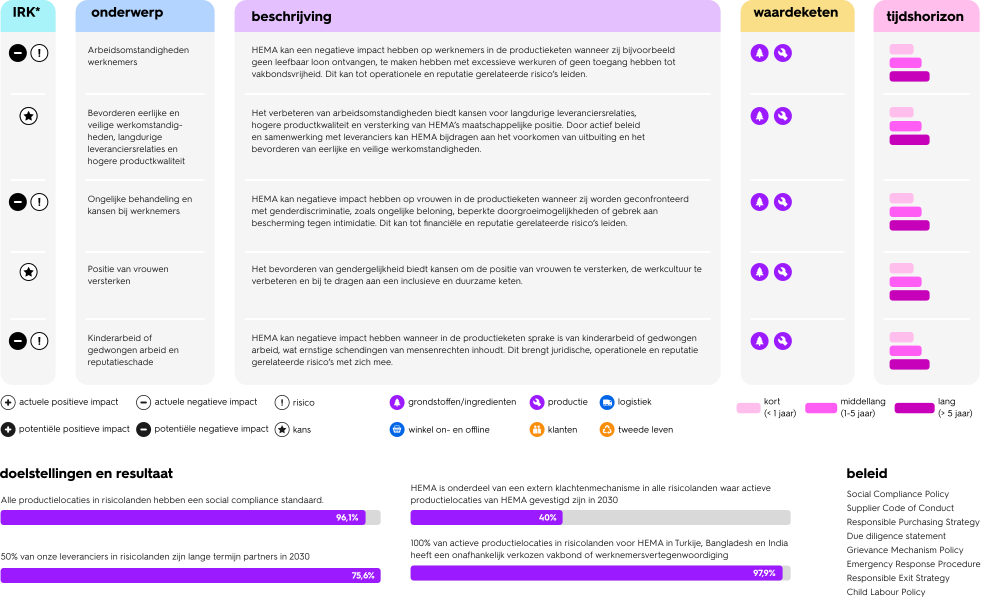
HEMA may have a negative impact on workers in the supply chain if, for example, they do not receive a living wage, are subject to excessive working hours or are denied the right to join a trade union. This could lead to operational and reputational risks.
Improving working conditions offers opportunities for long-term supplier relationships, higher product quality and the strengthening of HEMA’s social standing. Through proactive policies and collaboration with suppliers, HEMA can help prevent exploitation and promote fair and safe working conditions.
HEMA may have a negative impact on women in the supply chain when they face gender discrimination, such as unequal pay, limited career progression or a lack of protection against harassment. This could lead to financial and reputational risks.
Promoting gender equality offers opportunities to empower women, improve the working culture and contribute to an inclusive and sustainable supply chain.
HEMA may have a negative impact if child labour or forced labour occurs within the supply chain, which constitutes serious human rights violations. This entails legal, operational and reputational risks.
value chain
time horizon
current positive impact
current negative impact
risk
potential positive impact
potential negative impact
opportunity
raw materials/ingredients
production
logistics
online and offline store
klanten
second life
short (< 1 year)
medium
(1-5 year)
long
(> 5 year)
objectives and results
All production sites in high-risk countries have a social compliance standard.
96.1%
By 2030, HEMA will be part of an external grievance mechanism in all high-risk countries where it has active production sites.
40%
50% of our suppliers in high-risk countries will be long-term partners by 2030.
75.6%
100% of HEMA’s active production sites in high-risk countries—Turkey, Bangladesh, and India—have an independently elected trade union or worker representation body.
97.9%
policy
- Social Compliance Policy
- Supplier Code of Conduct
- Responsible Purchasing Strategy
- Due diligence statement
- Grievance Mechanism Policy
- Emergency Response Procedure
- Responsible Exit Strategy
- Child Labour Policy
our material impacts, risks and opportunities
HEMA products are manufactured worldwide. In some regions, workers face an increased risk of human rights violations, such as long working hours, low wages or a lack of say in workplace decisions. We believe it is important that everyone involved with our products is treated safely and fairly. That is why we are working step by step to improve working conditions in our supply chain.
Annefloor Alting, Sr. Sustainability specialist for the supply chain explains: “At HEMA, we work together with suppliers, local partners and other customers to ensure that initiatives and insights have a step-by-step impact, leading to better conditions and greater trust between employees and management.”
Our approach is based on the OECD’s ‘Guidelines on Human Rights and Environmental Due Diligence’ and the ‘UN Guiding Principles on Business and Human Rights’. Transparency is essential: we publish details of our production sites on our website and via the Open Supply Hub. In this way, we want to show that improvement within the supply chain is not an abstract goal, but is about real people and their daily lives.
onderdeel strategie & transparantie
- Maandelijkse ESG committee
- Jaarlijks stakeholderevents
- Sinds 2024 due diligence statement & progress report
onderdeel van diverse projecten en initiatieven
- Awaj/FNV project in Bangladesh op FoA
- ACT project op leefbaar loon in Cambodja
- Met IDH leefbaar loon trainingen
klachtenmechanismen
- International Accord
- AmforiSpeak4change
our due diligence trip
2013
A member of amfori BSCI
2016-2021
signed up to the textile agreement
including participation in projects relating to freedom of association
2019
Transparency Pledge
all our factories are publicly listed and can be found online
2021
HEMA risk analysis & supplier feedback collected
2023
we will be working with Enact to improve our due diligence policy
including a revised risk analysis and priorities
2024
online due diligence statement
including annual progress report
2025
food products and supply chains involved
policy
HEMA’s commitment to human rights throughout the value chain and our due diligence approach are set out in various policy documents, based on international treaties such as the ILO Conventions, the International Bill of Human Rights, the Convention on the Rights of the Child and the Convention on the Elimination of All Forms of Discrimination Against Women. The documents were drawn up in collaboration with internal and external stakeholders.
Social Compliance policy
Two-way Supplier Code of Conduct
Responsible Purchasing Strategy
Due diligence statement
Grievance Mechanism Policy
Emergency Response Procedure
Responsible Exit Strategy
HEMA’s Child labour policy
stakeholder management
HEMA takes the views of people in the supply chain (or employee representatives) into account in its decision-making in a variety of ways. They also have the opportunity to voice their concerns. Through the following projects, memberships and partnerships, we gather feedback from workers in the production chain and/or ensure that workers in the production chain are well represented. Look here for our memberships, projects, and collaborations.
remediation processes
Effective complaints mechanisms are essential for identifying and addressing abuses in the supply chain in a timely manner, and for strengthening the position of workers. Employees and other stakeholders must be able to raise their concerns safely, confidentially and easily, without fear of reprisals.
HEMA’s approach involves multiple channels:
- ‘International Accord’ for factories in Bangladesh and Pakistan. HEMA follows the Accord’s procedures to ensure that complaints are handled with care, resolved and, where necessary, remedial action is taken.
- amfori Speak for Change for factories in Vietnam, India, Bangladesh, Turkey and Cambodia. Complaints are handled in accordance with the amfori procedure, with the same care and focus on remediation.
- Stakeholders can submit complaints directly via our internal complaints mechanism, using ‘Speak Up’ channels or email (as outlined in the ‘grievance policy’, on our website and in our newsletters). All reports are dealt with in accordance with internal procedures.
We expect suppliers to have adequate recovery processes in place, as set out in the ‘HEMA Supplier Code of Conduct’.
objective: By 2030 at the latest, HEMA aims to have an effective external complaints mechanism in place in all high-risk countries.
result: In the high-risk countries where products are manufactured for HEMA, 40% of suppliers have access to an external complaints mechanism.
Over the past year, 23 complaints have been received through various channels. Below is an overview of the number, status and HEMA’s involvement in the restoration:
| channel | number of complaints | status | topic | HEMA involvement in remediation |
|---|---|---|---|---|
| Direct | 3 | 3 closed |
|
|
| amfori | 1 | 1 open |
|
|
| Int. Accord | 19 | 3 open, 16 closed |
|
|
actions
measures aimed at improving and implementing our own policies
social compliance (development approach)
responsible sourcing
operations carried out in factories
living wage
excessive working hours
social dialogue
gender equality
measures that mitigate risks further down the supply chain
child labour
forced labour
customers
KPIs and objectives
S4
customers
IRO
topic
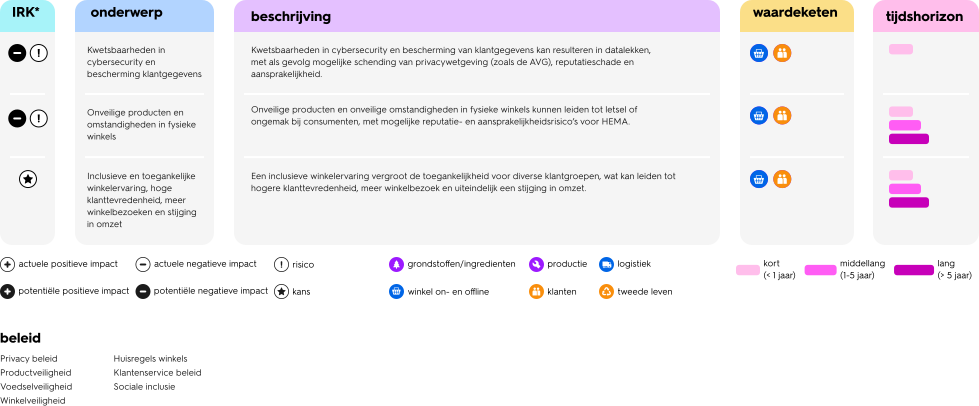
Cybersecurity vulnerabilities and the protection of customer data
Unsafe products and conditions in high-street shops
An inclusive and accessible shopping experience, high customer satisfaction, more visits to the shop and an increase in turnover
description
Vulnerabilities in cybersecurity and the protection of customer data can lead to data breaches, resulting in potential breaches of privacy legislation (such as the GDPR), reputational damage and liability.
Unsafe products and unsafe conditions in physical shops can lead to injury or discomfort for consumers, with potential reputational and liability risks for HEMA.
An inclusive shopping experience improves accessibility for a diverse range of customers, which can lead to higher customer satisfaction, more visits to the shop and, ultimately, an increase in turnover.
value chain
time horizon
current positive impact
current negative impact
risk
potential positive impact
potential negative impact
opportunity
raw materials/ingredients
production
logistics
online and offline store
customers
second life
short (< 1 year)
medium
(1-5 year)
long
(> 5 year)
policy
- Privacy policy
- Product safety
- Food safety
- Shop safety
- Shop rules
- Customer service policy
- Social inclusion
our material impacts, risks and opportunities
Over the course of almost 100 years, HEMA has won a place in the hearts of our customers. Everyone is welcome in our accessible and welcoming shops, where we strive to offer the best quality at the lowest price – a core value of HEMA since 1926.
safety comes first
Product and food safety form the basis of the trust that customers place in HEMA. Whether it’s baby vests, smoked sausages or household goods: our customers must be able to use our products with complete peace of mind. We also take the utmost care to protect our customers’ personal data.
inclusion and engagement
At HEMA, we want everyone to feel welcome. That is why we strive to create inclusive products and communications. We listen to our customers so that we can incorporate their feedback into our product range and services. We show what HEMA stands for and ensure that all our customers can be themselves. Our analysis highlights three material issues for customers:
- personal safety
- social inclusion
- privacy
5
.
2
million
loyalty card holders
in the Netherlands and 885,000 loyalty card holders in Belgium
1
million
cups of coffee
as a gift
270,000
birthday mille-feuilles
as a gift
most popular: limited edition
Takkie & Siepie
cups
with points saved up
3
rd year of
Ster Gouden Loeki
for our Christmas advert
S4-1
policy
social inclusion
HEMA is for everyone: that’s been our aim for around 100 years. We are a reflection of a society that is constantly changing. We are moving in the same direction.
in our shops
We want everyone to feel welcome in our shops and for our employees to be able to be themselves. Inclusivity is deeply rooted in our organisation and has traditionally attracted a diverse range of people. This doesn’t happen by itself; that’s why we actively focus on it, both internally and externally. For example, we use internal and external communications featuring our own diverse models, so that everyone can see themselves reflected and feel at home at HEMA.
in our range
We also want everyone to feel that our range speaks to them. We take the cultural diversity of the Netherlands into account, for example by tailoring our festive collections to different occasions. Another example is our collaboration with queer designer Paul Goos, with whom we launched a complete Pride collection in 2025. Not just for Pride, but products you can wear with pride all year round.
in our online shop
We make sure our website and app are easy to use. For everyone. This also applies to people with disabilities. Think of people who have difficulty seeing, hearing or moving.
general customer policy
We handle our customers’ personal data with care, in accordance with the requirements of the Dutch Data Protection Authority and the applicable GDPR legislation, as set out in our privacy policy. This means that only necessary data is collected and processed, and that appropriate technical and organisational measures have been put in place to protect this data. HEMA maintains a data processing register to ensure transparency regarding data processing, and a data breach register to monitor incidents and make improvements. In addition, a privacy and cookie policy clearly sets out what data is used, for what purpose, and what rights data subjects have.
In our shops, we focus on ensuring quality, safety and a pleasant shopping experience for our customers. We have guidelines for product safety. The MRQ process is one of the methods used to ensure product safety. Food safety is ensured through hygiene and quality standards, including procedures such as HACCP and cleaning guidelines. In addition, there are guidelines for shop safety andhealth and safety at work,and procedures for working safely, including the handling of hazardous substances. There are also measures aimed at preventing incidents, such as shoplifting prevention and first-aid facilities. In addition, we have company rules, a complaints procedure and a customer service policy to provide clarity on expectations, responsibilities and how to handle feedback and incidents within the shops.
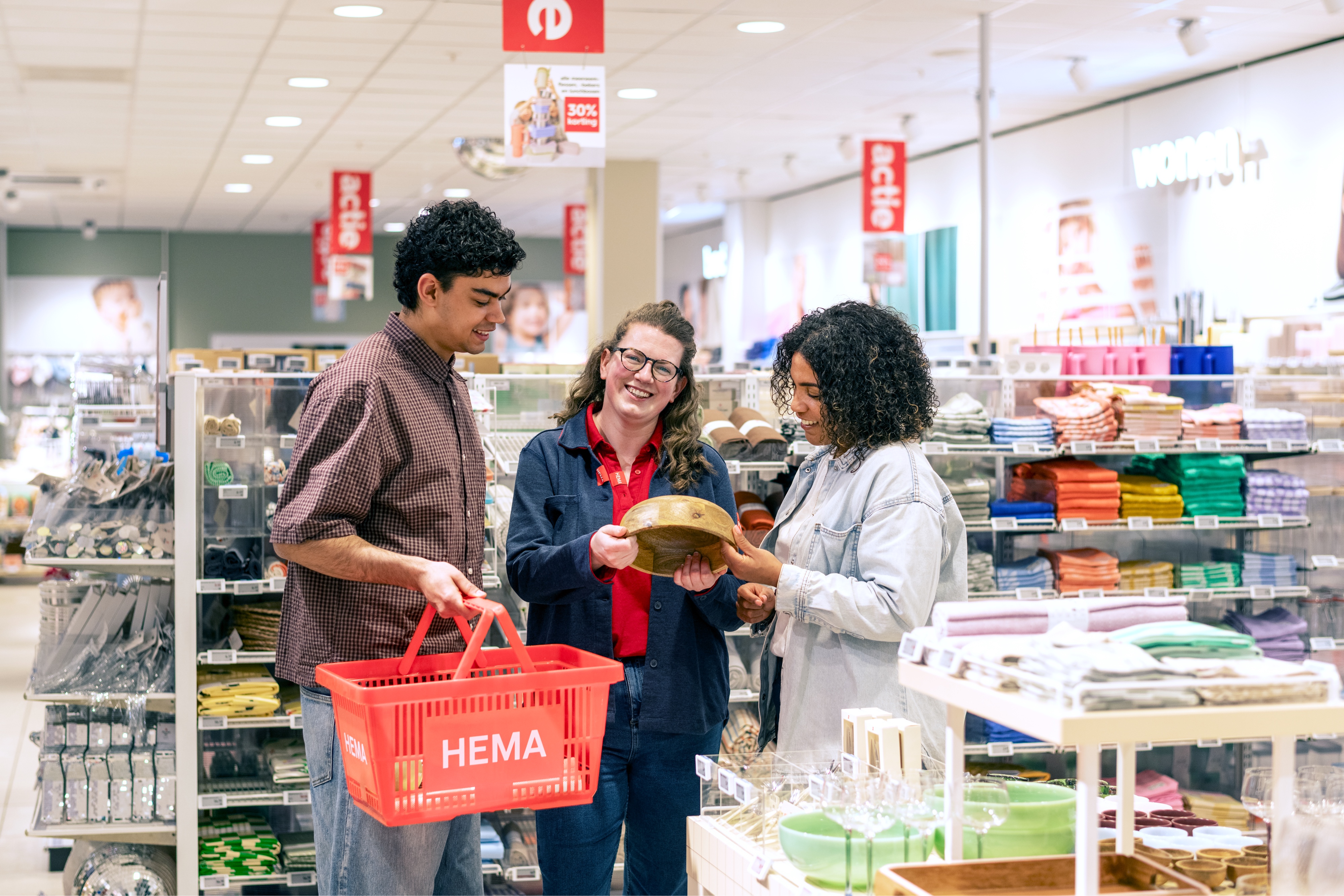
to be accessible and relevant to as wide an audience as possible
our products are designed with one goal in mind
Our products are designed with one goal in mind
to be accessible and relevant to as wide an audience as possible.
Everyone should be able to identify with our products and feel comfortable using them. Our mission? We design versatile products that remain relevant for longer, thereby reducing the need for excessive variation in our product range. That’s how we produce everything our customers need on a daily basis. Every day, every season, all year round.
shared routines and needs
We focus specifically on common customer issues and routines. Sarie, Strategic Concept Developer at HEMA, explains: “It’s not just about a woman aged 35 or 70, but about similar issues.” “You find the overlap among people who struggle to put their mobile phones down or who sleep with a cuddly toy.” By designing on the basis of shared needs, we create solutions that work for many people and thus have a greater social impact.
design principles
Our design principles are therefore based on the premise that products must, at their core, be relevant, accessible and usable for as wide a group of people as possible. In doing so, we do not primarily design for traditional, demographically defined personas, but instead work with overarching style groups and shared needs. As Sytze, Senior Designer for Home & Seasonal at HEMA, explains: “We don’t have a single persona, but rather several style groups.” “That way, you can put together a collection that spans a spectrum and caters to a wider audience.” These style groups represent a range of aesthetic preferences: from classic and cosy to modern and bold.
Ease of use is also an important principle. Sytze emphasises: “Everyone benefits from a pepper mill that grinds more effectively, even if you have less strength in your hands.” By making products more intuitive and physically accessible, we improve their usability for people with a wide range of motor skills.
balance between design, choice of materials and functionality
We consider the balance between design, choice of materials, functionality and cost right from the start of the design process. To this end, design teams make use of an in-house materials library (available online and in-house) containing materials, finishes and construction methods, enabling us to select the best materials by taking both sustainability and cost into account. This makes it possible to make immediate decisions that strike a balance between design, functionality and sustainability. This results in products that are stylish, well-designed and efficient to manufacture, whilst also delivering real added value for the customer.
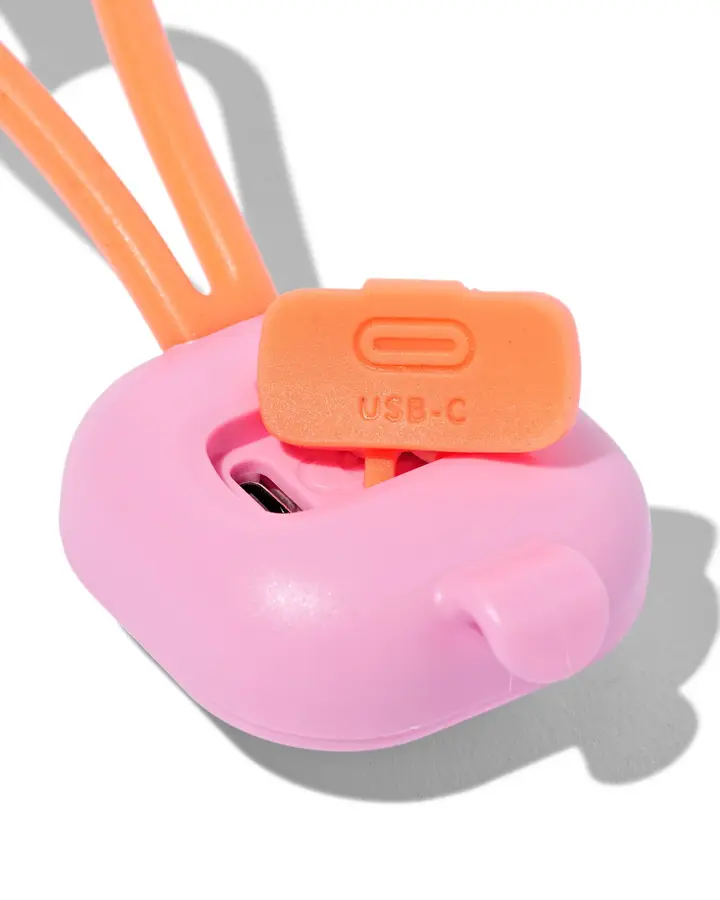
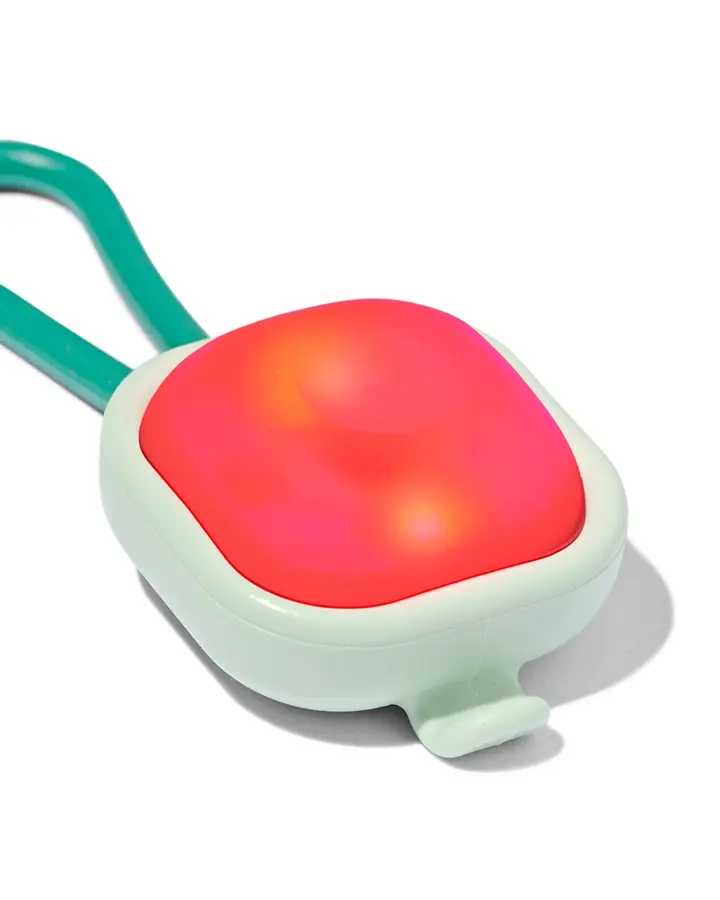
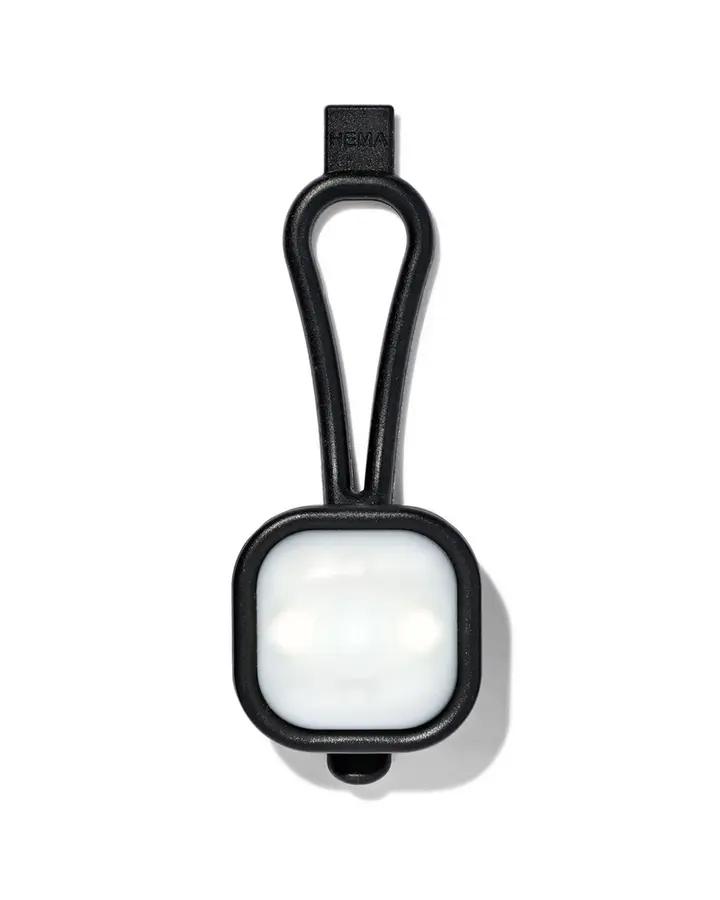
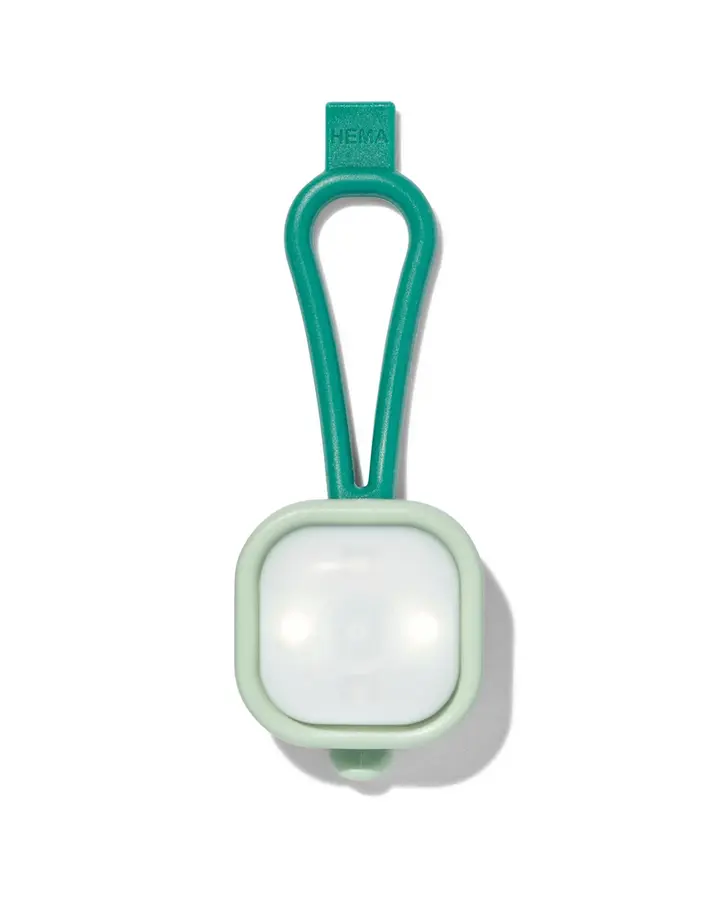
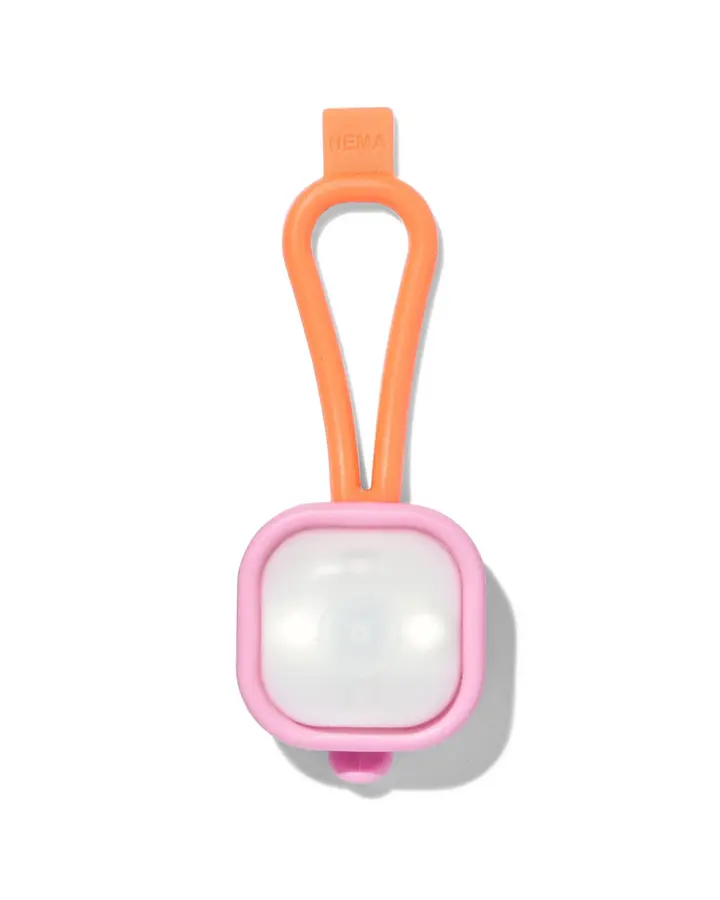
A true HEMA product: a USB-rechargeable bike light
One design that illustrates our process very well is the USB-rechargeable bike light. Everything comes together here: from carefully identifying customer problems and needs (the familiar frustrations of flat batteries, rummaging through your bag and always having to buy a set of front and rear lights) to smart design choices that maximise ease of use. The result: a single lamp that can be charged via USB and emits both red and white light, encouraging customers to use it more often and for longer. And, not unimportantly for HEMA, he looks cool too.
S4-2
stakeholder management
consultation with our customers
Customer and market insights play a crucial role in our strategy. The information customers share with us helps us to improve the customer experience, anticipate future needs and, in doing so, drive both customer satisfaction and sustainable growth.
stakeholder management
customer research
HEMA regularly conducts customer surveys to better meet customers’ wishes and needs. These surveys provide insights into product reviews, HEMA’s appeal to various target groups, market trends and the company’s image. The results are shared with procurement teams and designers and summarised in the internal newsletter.
We also have a HEMA customer panel, which is a representative sample of our customers based on age, household composition and region. The panel gives customers a direct say in HEMA’s direction.
customer satisfaction
Satisfaction with HEMA’s customer service is measured via a survey sent out after every point of contact. Customers indicate whether they would recommend the service, whether their query was resolved to their satisfaction, and how they rate the friendliness and knowledge of our employees (CSAT, Customer Satisfaction Score).
50
,4*
NPS
customer satisfaction
scale from -100 to +100
The NPS is the average transactional NPS in the Netherlands and Belgium, based on customers with a HEMA loyalty card who have visited our shop and completed the questionnaire. In 2024 and 2023, the NPS stood at 52.4 and 45 respectively.
8
,2
CSAT
on a scale of 1 to 10
The CSAT score is our customers’ rating of our customer service on a scale of 1 to 10. In 2024, the CSAT was 8.1, compared with 8.5 in 2023.
* Data in 2025 is presented based on the accounting policies and definitions described below and is subject to a limited assurance engagement under NV COS 3000. We refer to page 118 for the auditor's Limited Assurance report.
methodology and assumptions
Customers who used a HEMA card when making a purchase in a HEMA shop (in the Netherlands and Belgium) during the period under review (financial year 2025) will receive an invitation to rate the purchasing process. We apply some filters: photo product purchases are excluded, as well as returns and people who have already received an e-mail in the past 90 days.
Customers rate on a scale of 0 to 10 whether they would recommend HEMA. On a daily basis, we retrieve the answers and process them in a dashboard. To calculate the NPS, we process the score on whether the customer would recommend HEMA as follows:
- Score 0 - 6 = detractors
- Score 7 + 8 = passives
- Score 9 + 10 = promoters
NPS = % promoters – % detractors.
S4-3
remediation processes
HEMA always strives to resolve every complaint as effectively as possible. We have a dedicated complaints procedure for any questions or issues relating to our products and services. In 2025, HEMA’s customer service team assisted around 900,000 customers across all the countries where HEMA operates, for example with enquiries about orders, our loyalty programme or HEMA products.
Customers can contact us by phone, via our website, via chat (on our website and app), by email, on Facebook, X and Instagram. Our digital assistant also helps many customers to sort things out for themselves, meaning that questions are answered quickly and directly. Most questions are about online orders and collection in shops or home delivery.
We continue to implement new technologies in our customer service operations, enabling employees to work more efficiently and spend more time on personal interaction. In this way, we improve both customer satisfaction and our employees’ experience.

S4-4
actions
1
product safety
At HEMA, product safety is always our top priority. Our designers and quality control department (PK&V) ensure that our products are safe and go beyond the legal requirements.

product safety
At HEMA, product safety is always our top priority. Our designers and quality control department (PK&V) ensure that our products are safe and go beyond the legal requirements. Additional checks, regular audits and modern software help to identify risks at an early stage. We also provide clear instructions for use and warnings, so that consumers can use our products with confidence.
PK&V is involved in, amongst other things:
- Product analyses, labelling and instructions for use
- Complaints handling
- National and international legislation
- Communication with the authorities
- Quality and safety processes
- Product inspections
Among other things, we detect risks by using modern product inspection software, further refining risk assessment formats for all our products and conducting periodic audits. In addition, we naturally ensure that our products contain clear instructions for use and warnings so that consumers can use them safely.
Through regular reporting and reviews, we ensure our safety measures remain up to date and continuously improve our processes.
food safety
Good food starts with food safety. HEMA sets strict standards for its suppliers and carefully monitors production, packaging and storage.
2
food safety
Good food starts with food safety. HEMA sets strict standards for its suppliers and carefully monitors production, packaging and storage. In shops, employees are responsible for ensuring compliance with procedures, supported by external specialists and HEMA store auditors.
Our approach complies with the Food Act and the STOR hygiene code, under the supervision of the NVWA. All employees who handle food undergo annual online food safety training. Our food suppliers comply with the standards of the Global Food Safety Initiative (GFSI). HEMA Netherlands therefore has a positive status for its catering outlets.
shop safety
HEMA creates a safe environment for customers and employees. Clear walkways, good lighting and well-organised shops contribute to physical safety.
3

shop safety
HEMA creates a safe environment for customers and employees. Clear walkways, good lighting and well-organised shops contribute to physical safety. Employees have been trained as company emergency response officers (BHV) and there is an up-to-date evacuation plan in place for emergencies.
Social safety is also important: we are committed to preventing shoplifting and inappropriate behaviour through CCTV surveillance and cooperation with local law enforcement agencies. This is how we ensure that customers and employees feel safe and welcome.
accessibility
We want everyone to be able to shop with us. We do this by ensuring our shops and website are accessible. Last year, we took part in a project run by MKB Toegankelijk.
4
accessibility
We want everyone to be able to shop with us. We do this by ensuring our shops and website are accessible. Last year, we took part in a project run by MKB Toegankelijk, in which we assessed the accessibility of our shops through a shop scan and a series of workshops. We apply what we have learnt here to the design of new shops.
What’s more, our website has become much more accessible since June 2025! An independent agency has tested our website. In October, we implemented the first major improvements. The second round took place in early 2026. You can now navigate the entire website and place orders using just the keyboard, so you no longer need a mouse. We’re still working on the finer details, such as improving the colour contrast. In everything we create, we pay close attention to accessibility.
Our app has long been far more accessible; for example, it works well with screen readers, you can navigate using a keyboard, and it offers additional options such as high contrast, reduced motion and dark mode.
cybersecurity
Cybersecurity protects HEMA’s digital assets and information, as well as those of its customers, against cybercrime.
5
cybersecurity
Cybersecurity protects HEMA’s digital assets and information, as well as those of its customers, against cybercrime. The HEMA Security Office (HSO) oversees these security measures and acts as a point of contact and advisor for employees, management and partners. The team works closely with the privacy, legal and procurement departments to ensure the security of the services and software procured. Through ‘vendor security assessments’, HSO checks whether suppliers meet HEMA’s security requirements.
Our employees also receive training in the field of cyber security. HEMA is investing in raising awareness through a training programme that includes banners, posters, simulated phishing emails and various training sessions. These initiatives keep employees alert and help foster a sustainable security culture, in which information security is an integral part of day-to-day work.
Information security strategy and policy are discussed monthly in the information security and privacy committee, which includes colleagues from the Security Office and the privacy team.
privacy
HEMA considers it important to handle the personal data of customers and employees with care and in strict confidence. Our privacy policy and privacy statement(s) set out how we process data and how we comply with applicable data protection legislation.
6
privacy
HEMA considers it important to handle the personal data of customers and employees with care and in strict confidence. Our privacy policy and privacy statement(s) set out how we process data and how we comply with applicable data protection legislation. In addition, we have put in place appropriate security measures to protect personal data against loss, misuse or unauthorised access, amongst other things.Over the past year, we have further refined a number of our privacy processes, including by using standard privacy impact assessments that help us identify risks more effectively. In addition, we have a clear process in place to handle privacy requests (such as requests for data erasure) from data subjects effectively.
charities
We are part of society and believe it is important to contribute to it. That is why we work with initiatives and charities that are close to us, both literally and figuratively.
7
charities
We are part of society and believe it is important to contribute to it. That is why we work with initiatives and charities that are close to us, both literally and figuratively.
Customers using the HEMA app can collect points that they can donate to charities. In 2025, this raised €522,814 in financial contributions for Pink Ribbon, Team Alzheimer, War Child, the Oranje Children’s Hospitals, COC, Serious Request – Spieren voor Spieren and Bednet. Donations in the form of goods, totalling €199,287, were also made to the Jarige Job Foundation, the Baby Spullen Foundation, the Poverty Fund, the Wilhelmina Children’s Hospital, Because We Carry, the Salvation Army, the Linda Foundation, Mohuka, Pride, the Ukraine Foundation, the Food Bank and Too Good to Go. In addition, HEMA supported War Child by donating a portion of the sale price of specially designed War Child pyjamas.